
My debut novel Epiphanies and Robberies came out this summer. It tells the story of three people who find new friendships and ways of looking at things, as they simultaneously get drawn into sleuthing a series of art thefts that breaks out across their home region in south west Scotland. I have tried to write a story that is uplifting, funny at times, but which also explores some of the serious and enduring issues of the modern world: like climate change, community resilience, changing patterns of personal and family relationships, and the opportunities and challenges of working life. I’ve put my heart and soul into writing it and am watching with interest as it journeys out into the world. It’s a good moment therefore to reflect on what I have learned in the process.
Continue reading “Reflections following publication of my first novel”A distracted month of June in the garden

Three things obscured serious attention to the Dumfriesshire garden this month. I was heavily involved in the logistics of ‘launching’ my first novel. We were away on a short but garden-rich holiday in the Cotswolds. At home, the weather was unpredictable, occasionally too hot, sometimes cold and breezy, and mostly very wet!
Continue reading “A distracted month of June in the garden”Starting a local Writers’ Group

I’d never been a member of a Writers’ Group, though some of my writing friends are long term enthusiasts. So I’m not sure why in the autumn of 2024 I had the notion to get such a group started in my home parish.
Kirkmahoe is a small, rural community in Dumfries and Galloway, Scotland, made up of three villages and some outlying farms and homes. It comprises about 2,800 people in all. Having lived here permanently for 16 years, I knew one or two people locally with an interest in writing. But when I asked around, I soon found Kirkmahoe to be home to a good handful of fellow scribblers: variously writing poetry, fantasy and crime novels, historical fiction and memoir.
Continue reading “Starting a local Writers’ Group”May be or May be not
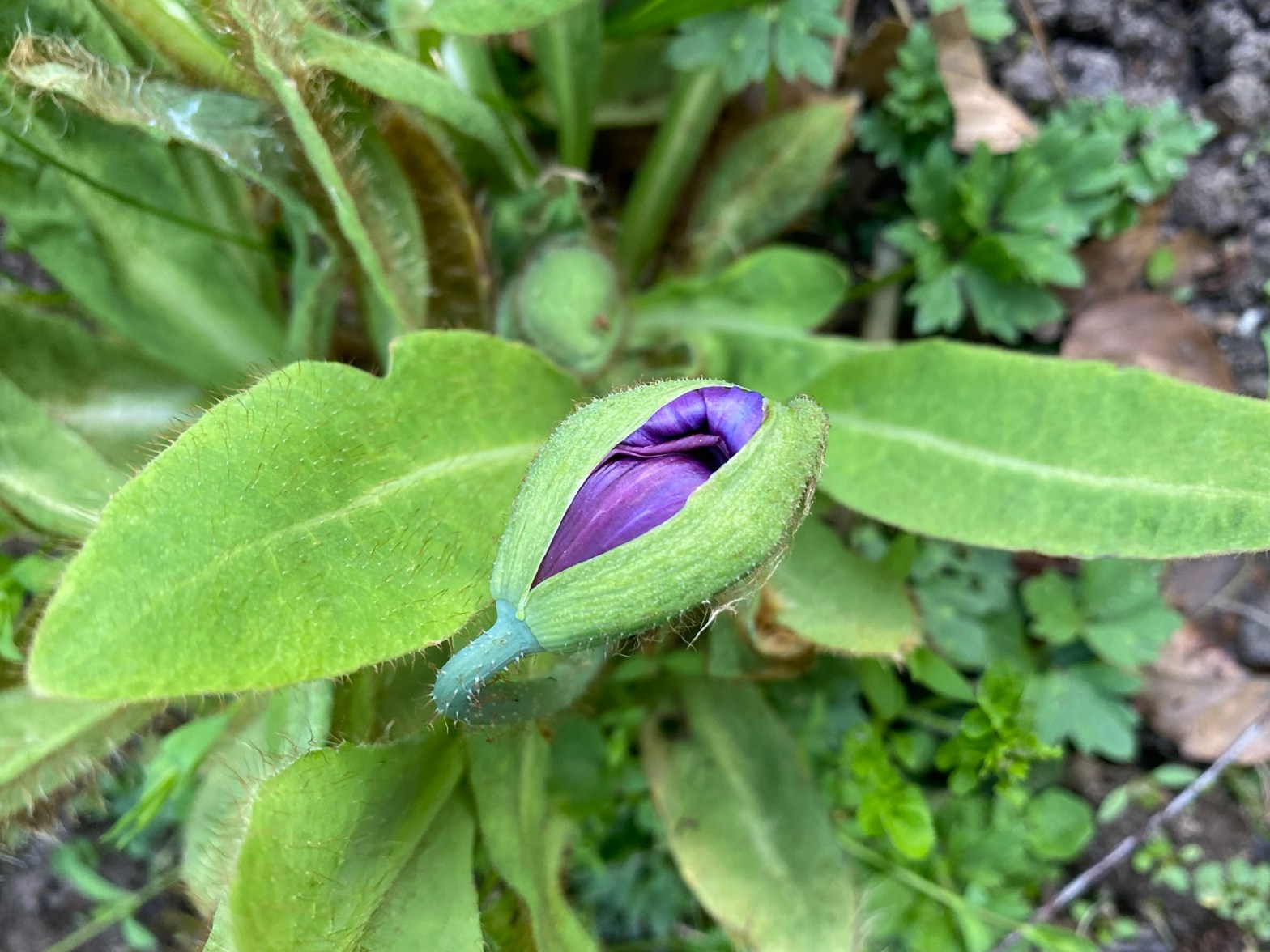
In my forthcoming debut novel and in effulgent terms, I describe May in south west Scotland, where I live.
May can be the finest month in the Nithsdale year. Through the woods, bluebells nod in drifts. Along the loanings, cow parsley froths and swaggers. The lovely campion and cuckoo flowers are everywhere in the grassland. In gardens, the borders pulse in waves of perennials, from aquilegia to allium, meconopsis to meadowsweet. Everywhere, azaleas and rhododendrons clamour for attention. The long evenings are here too. People take quiet walks after the day’s work is done or head into the garden for undemanding jobs like deadheading the narcissi or staking the paeonies. In the fields, tractors are nudging through the day and into the evening. They cut grass for silage to store in huge clamps for winter fodder. Spring barley pokes through the soil in shining drills. Growing lambs and wobbly legged calves animate the pastures. The whole of Nithsdale seems alive and lush, open to the fragile promises of the summer ahead.
May in 2025 was quite exceptional and had many of these features. There is something almost overwhelming about the greens of May, the speed of change in the garden, the mood-lifting longer evenings, and the pleasures of sitting amongst it all with a cup of coffee. But this year there have been problems too.
Continue reading “May be or May be not”Lost in the allotment garden

There was always a laid-back air at the Tír na nÓg community gardens. Working collectively, growing fruit and vegetables organically, and sharing the produce equally, its members, youthful in the 1960s, were continuing their dreams in later years. Some evenings, blues-inflected guitar music would drift across the plots. On hot afternoons, a few folk might get together under the fruit trees with an assortment of instruments, and play songs from the Incredible String Band’s second album. It was a place of peace, harmony and not a small measure of nostalgia.
But on this day, a certain horticultural tension was in the air. In the exceptional early May weather, spears of asparagus were already poking through the rich soil of a carefully nurtured raised bed. The emergent shoots were being kept covered under a protective cage, to prevent damage from birds. Yet the gardeners knew this to be a critical moment. The crop would burst forth very quickly and would need immediate cover from sun (if too hot), from rain (should it be heavy), and from frost (for the cold mornings persisted).
Experience showed that an ingenious home-made cover, put together a few years back from upcycled materials, could solve all of these problems in one go. The trouble was, it was nowhere to be seen.
Continue reading “Lost in the allotment garden”April come she will

April can seem full of deception. Promising much, then failing to deliver. Eulogized by the poets for its splendour, but also exposed by them as painful and cruel. The gateway to Spring, it still has frost on its back. Not for the first time in my life, I associate it this year with death and bereavement. April can wake up cold losses from the past, whilst all the while building warmer hopes for the future. Janus-faced, it needs careful watching. Anyone who spends time in a British April will have some story to tell you about its unpredictability. Thus it has been for me this year: April 2025.
Continue reading “April come she will”
“Interesting to read in five years’ time”: a pandemic journal of April 2020

As the COVID-19 pandemic gained momentum in the Spring of 2020, I was telling an acquaintance that I’d started keeping a detailed journal, documenting daily events, news, personal reflections and accounts of living under lockdown. ‘I suppose that might be interesting to read in five or so years from now’, was the rather sceptical reply.
It didn’t deter me.
Continue reading ““Interesting to read in five years’ time”: a pandemic journal of April 2020″When Spring arrives

The man of March he sees the Spring and wonders what the year will bring*
My early days of March are blighted by a heavy cold that vitiates productivity. The flu-like symptoms are made worse as our household struggles with the loss of a dear friend. On the weather front, it’s a month of hail, then frost and strong winds from the Arctic; but also of warm sunshine, briefly soaring temperatures, and a not fully realised hope for the ending of Winter. Despite the stop-start, by month-end, it’s possible to declare that the Spring has (just about) arrived. But the wider promise of Spring is a hollow milestone as missiles continue to rain down on Ukraine and Gaza and as the global ‘deal makers’ stumble from one egregious claim to the next. March this year is living up to the month’s ancient association with Mars, the Roman god of war. At the same time, the turning of the seasons brings us back to basic rhythms, and more gentle values. So for me, March 2025 has been about focussing on small matters within the daily ambit, whilst not losing sight of the big issues, however much we feel they lay beyond our immediate control.
Continue reading “When Spring arrives”February’s charms and alarms

The February man still shakes the snow
From off his hair and blows his hands (1)
For the Romans it was a month of purification. British weather lore declares it brings rain or snow, or both. The Venerable Bede called it the month of cakes. From Brigid to Valentine, many saints are associated with it. The shortest month of the year seems packed with connections and affordances, inspiration even. But there’s also a devious side to February, it can flatter to deceive, offer up false promises, and unsettle us with its fickleness.
This February has been particularly turbulent. Like so many others, I am reading the daily newsfeeds with increasing concern, whilst at the same time trying to hold onto the simple assurances of daily life. How do we reconcile these conflicting tendencies? In uncertain times, there is some merit and a degree of comfort in keeping a focus on the quotidian world. But not at the expense of realism and an effort to understand what is happening to the wider world. These twin poles have been much to the fore in February 2025.
***
Continue reading “February’s charms and alarms”The Vice-Chancellor’s Handover

When Professor Sir Angus Brown gave 12 months’ notice of his impending retirement, he envisaged a dignified departure from the University, preceded by an orderly transition of responsibilities. The conclusion of his nine years as Vice Chancellor of one of the oldest seats of learning in the land would be a measured and celebratory affair, with a whole month of overlap between him and his successor, to ensure continuity.
At this time Professor Brown could still persuade himself he was leaving the University of Rheged in a much better state than he had found it. He could point to the massive rise in research income and the excellent results in the last Research Excellence Framework – the periodic assessment of quality that is so important to the academic world. Undergraduate student numbers and entry tariffs had continued to rise. Applications from international postgraduates remained on an upward trend, bolstered by new ‘markets’ opening in India and Nigeria. Picking up the annual ‘University of the Year’ award at a glitzy event in London had proved extremely pleasant, as was a visit from the Monarch to open the new Institute of Advanced Studies. The knighthood had been a final salute to his achievements at Rheged: the cherry on the top, as it were.
Continue reading “The Vice-Chancellor’s Handover”
