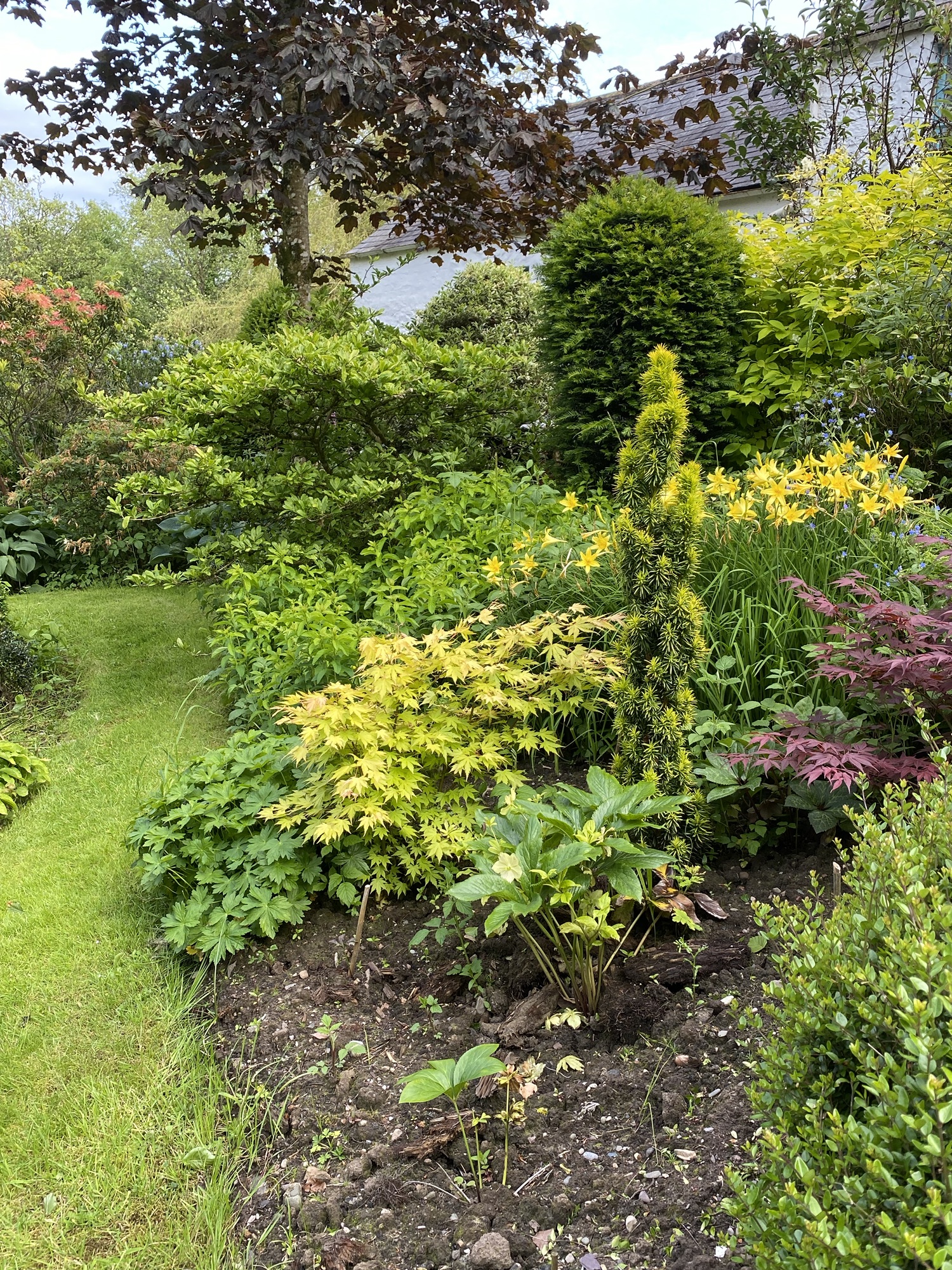
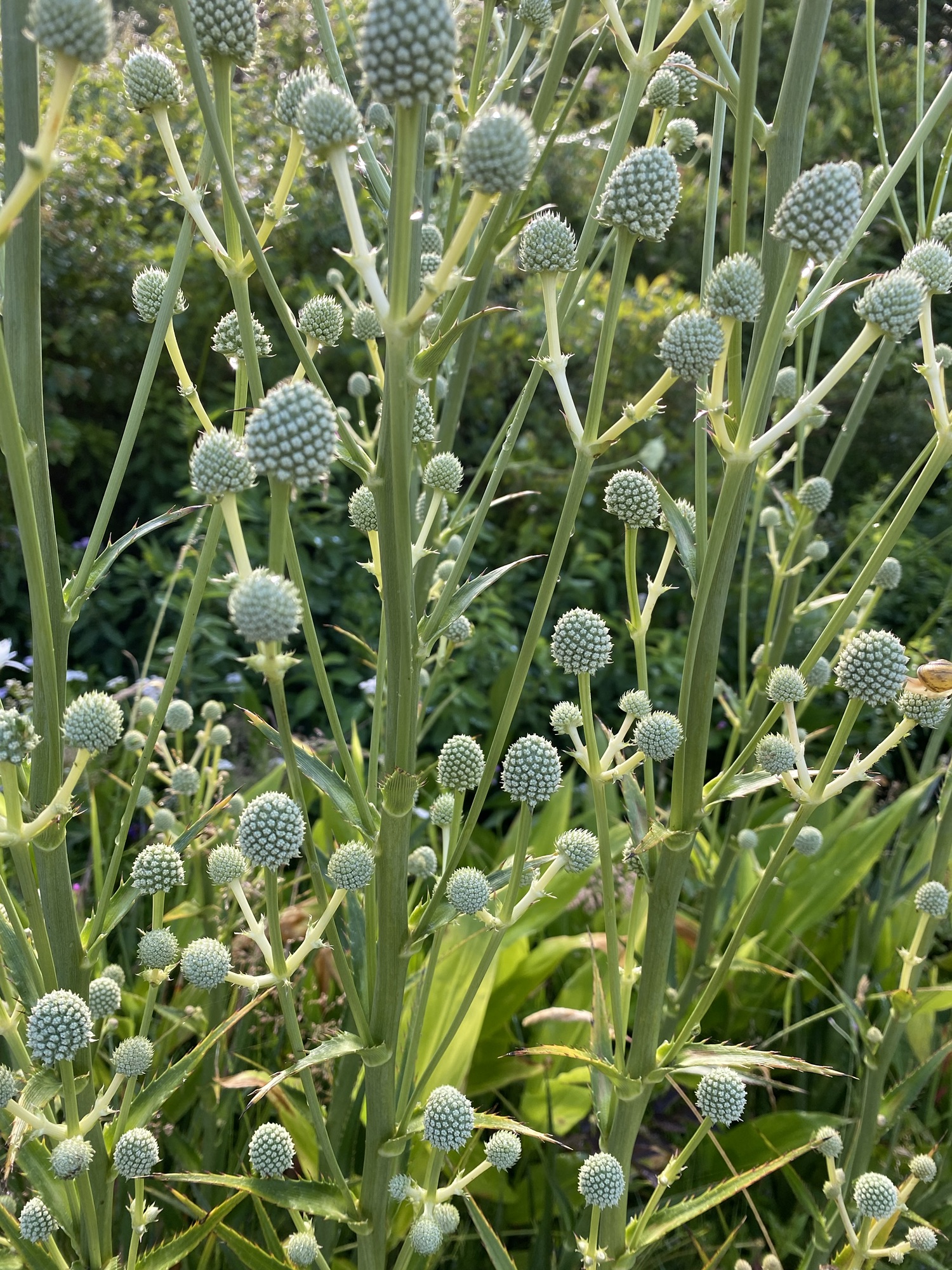
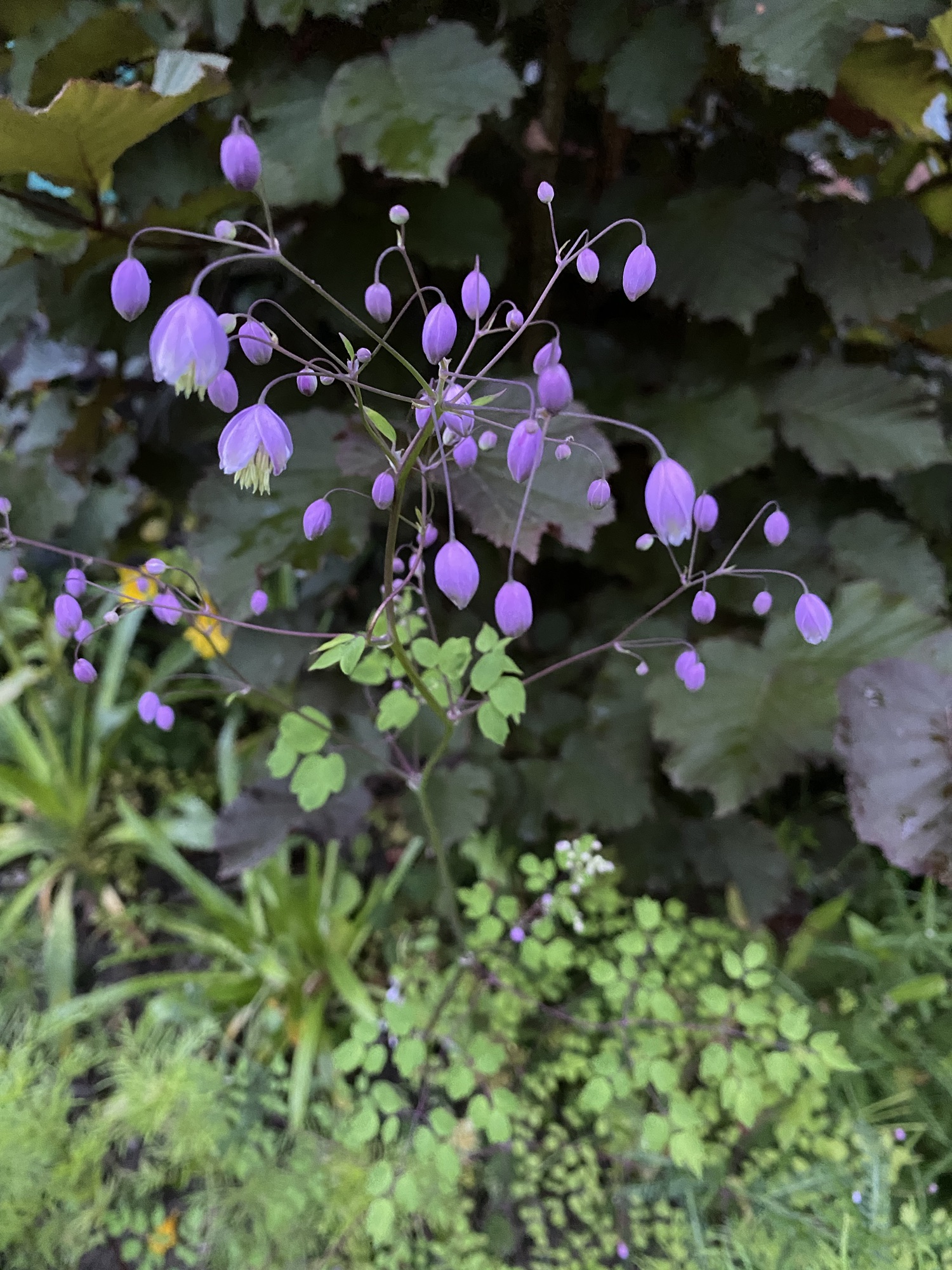
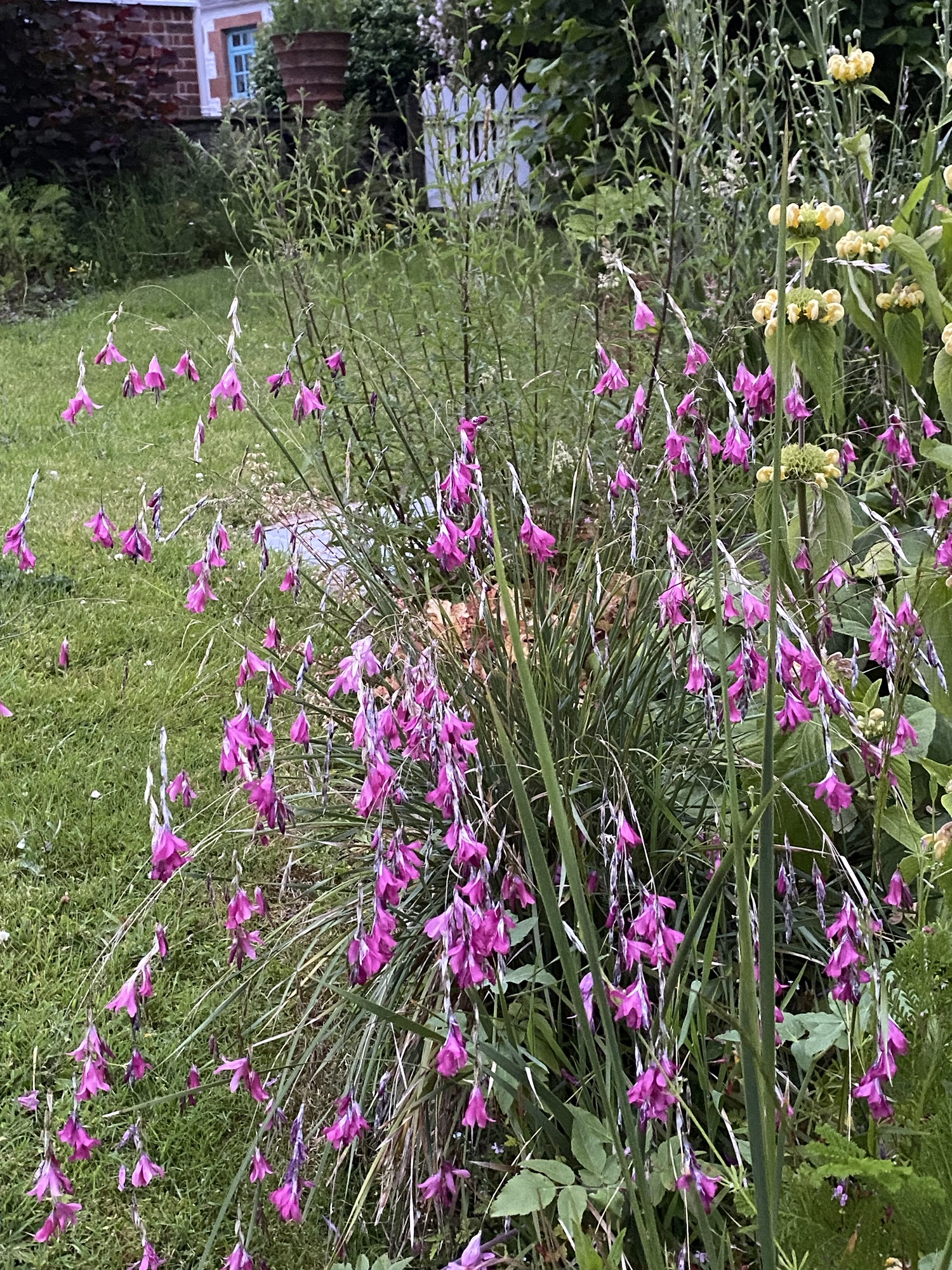
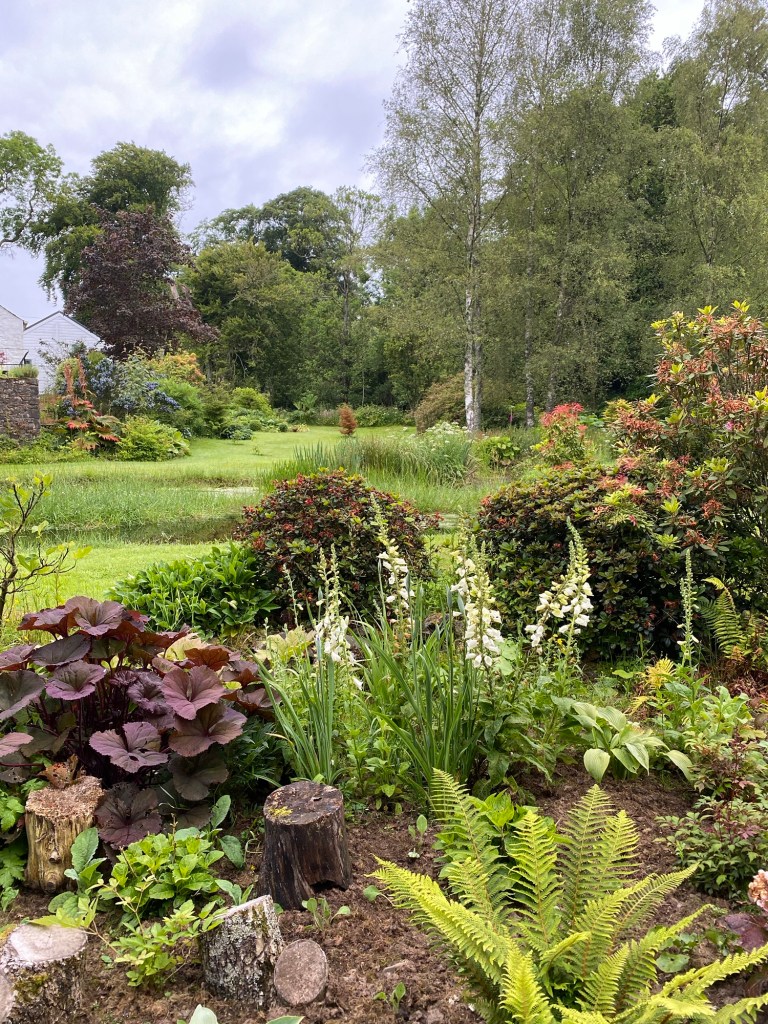
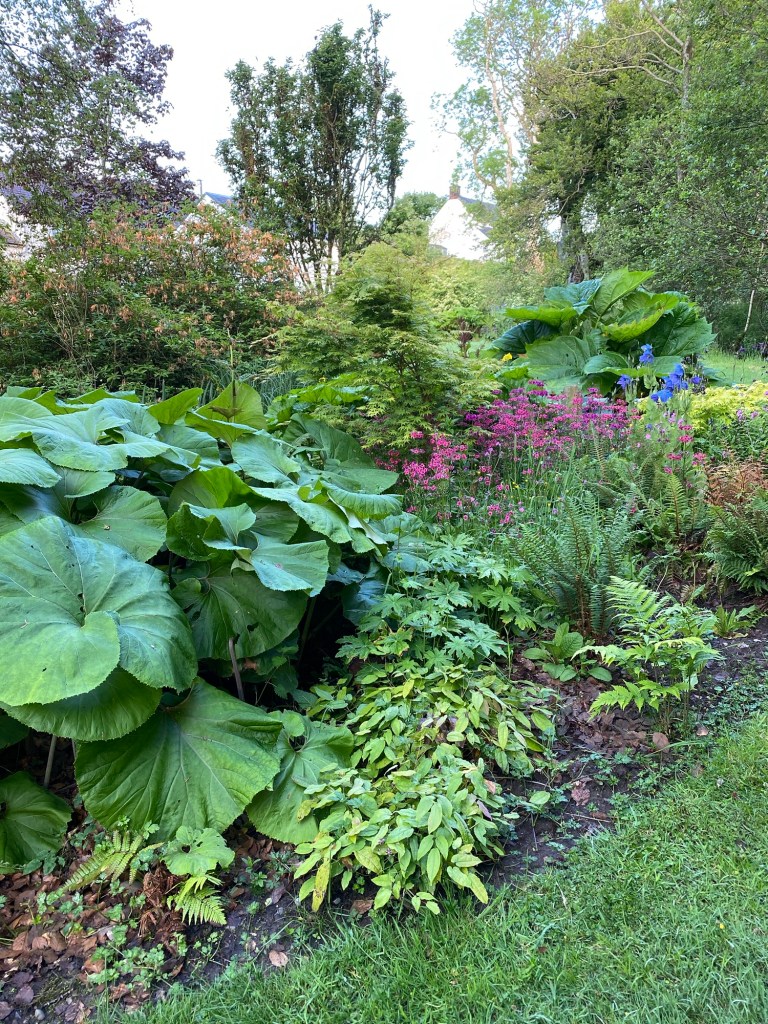
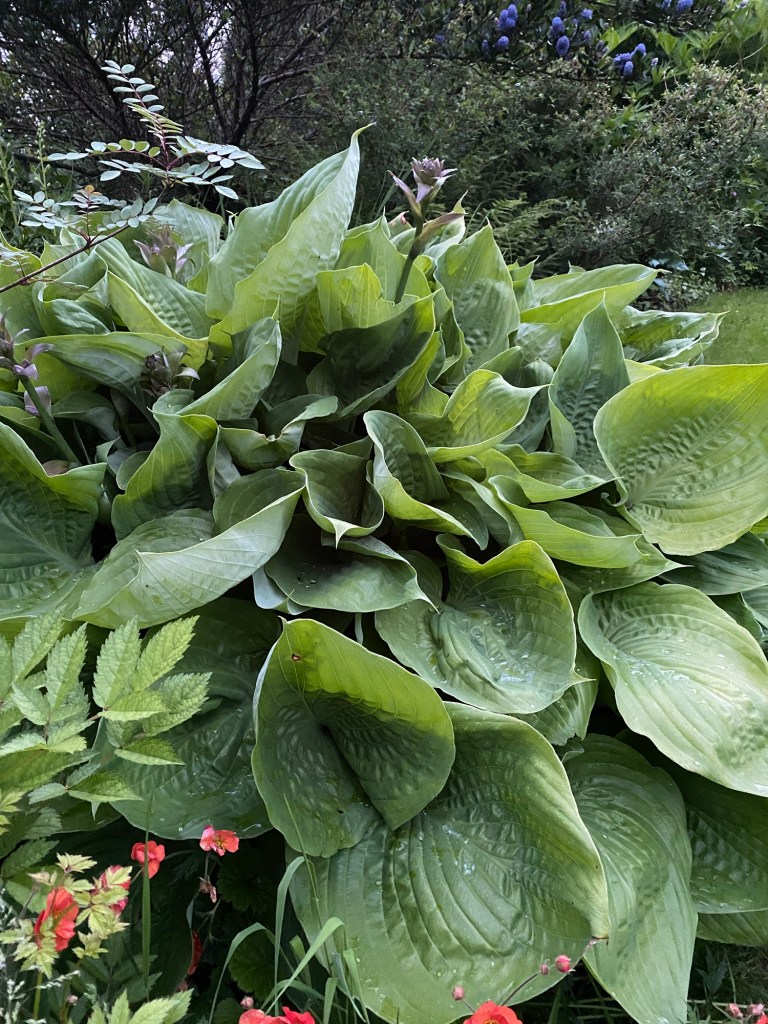
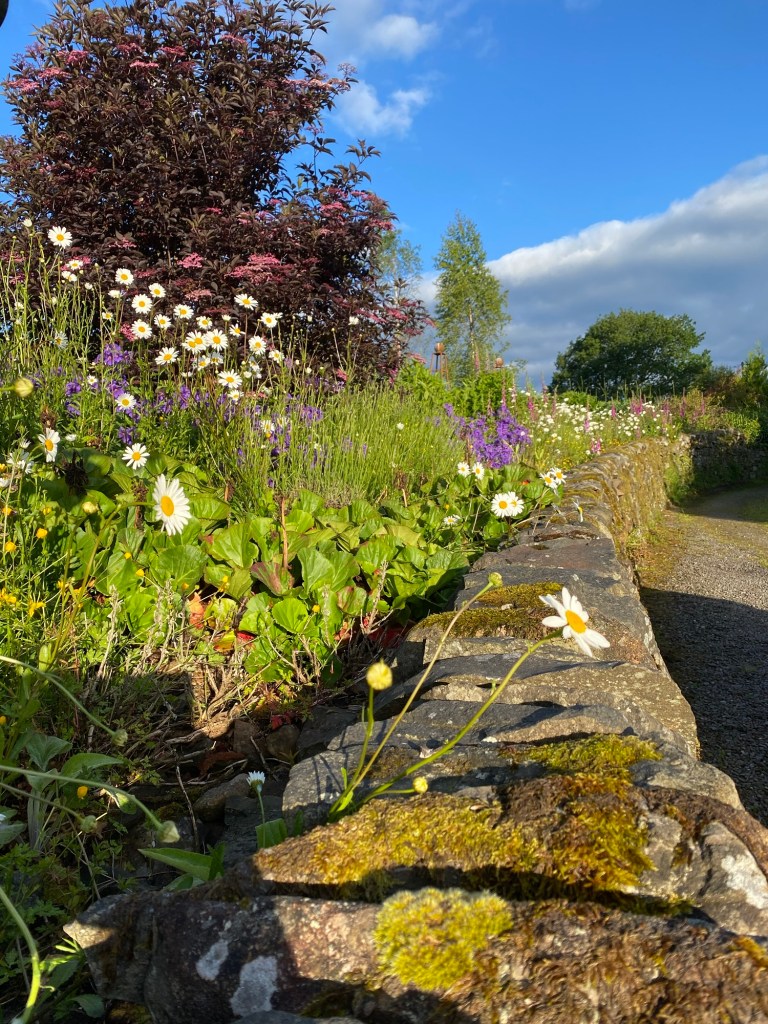
An A-Z of 2024 in the garden: Arboretum

Welcome to the start of 26 reflections on my garden in south west Scotland during 2024: one for each letter of the alphabet and all of which will appear as the year closes during the month of December.

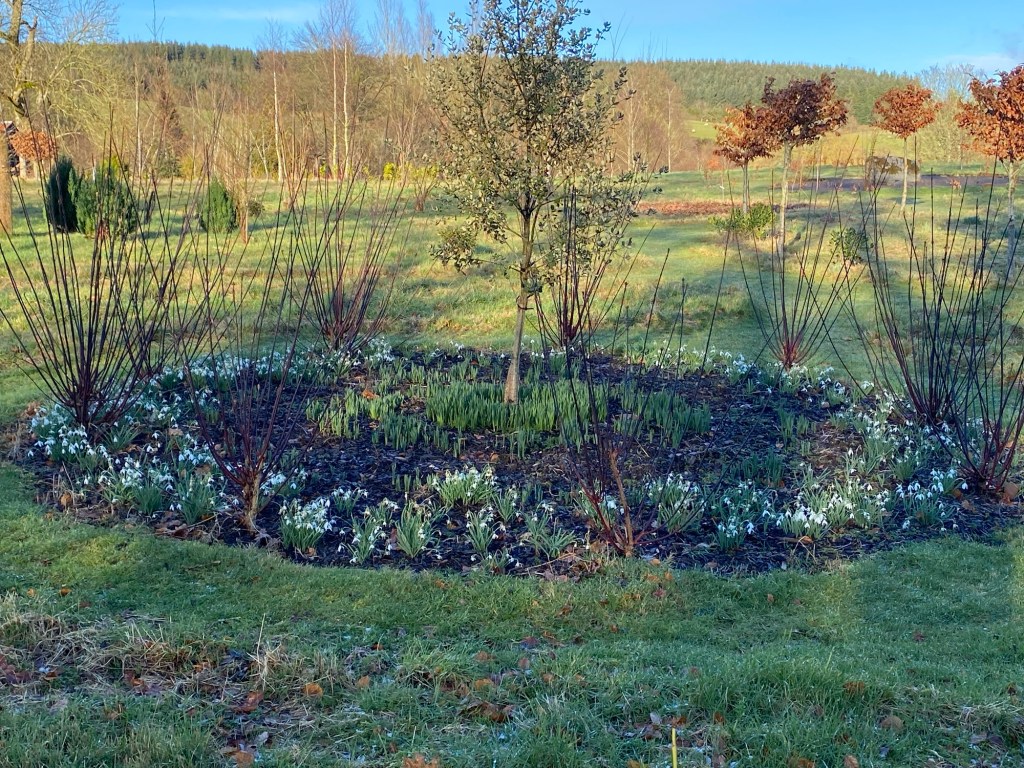
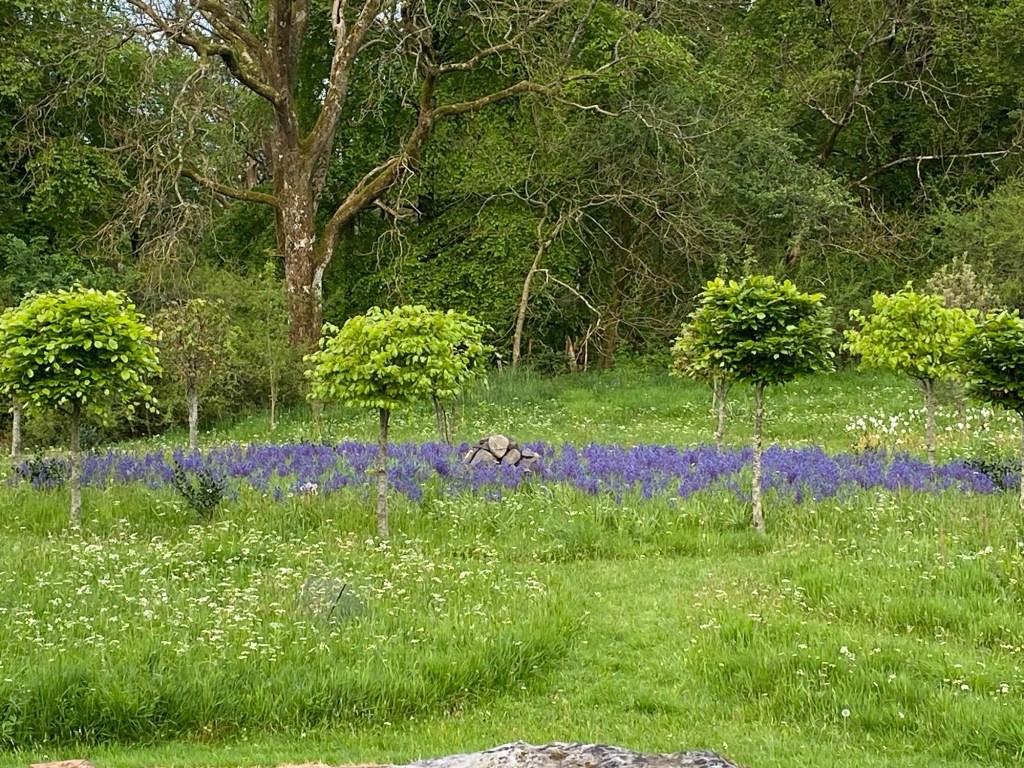
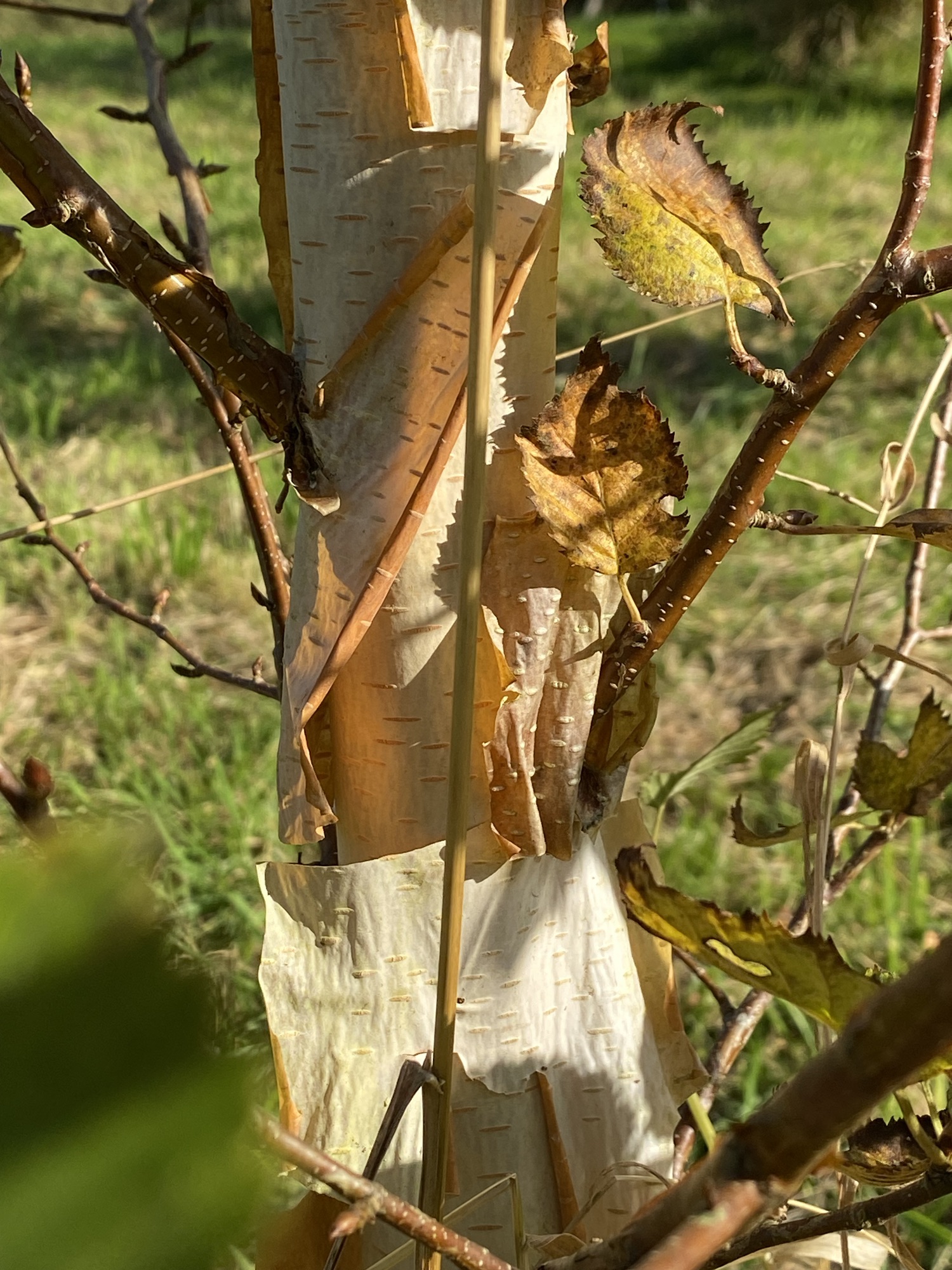
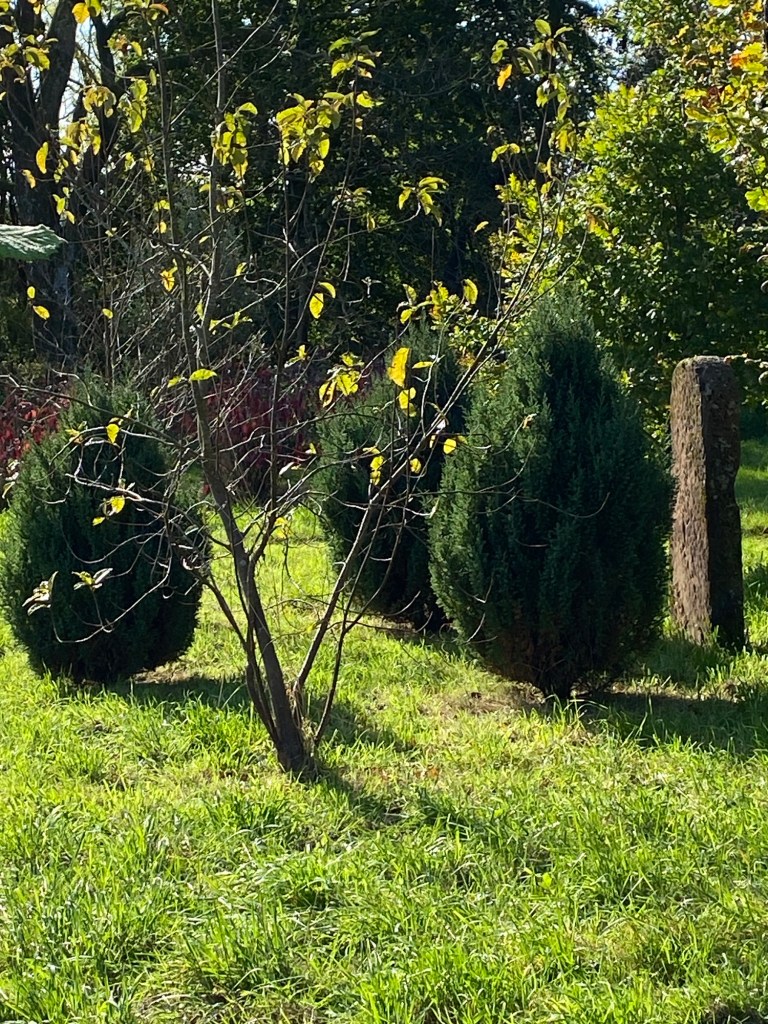
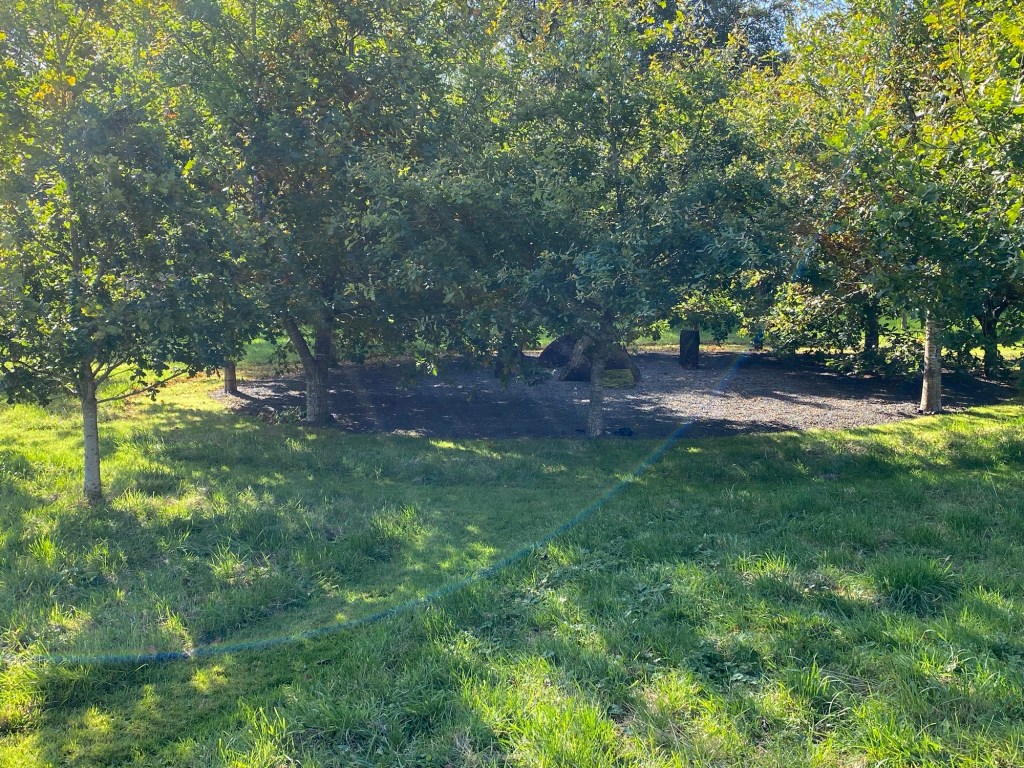
I’ve written before about planting trees in the rented field next to my home. It all began in the winter holidays of 2015-16 when I started with oak, holly, dogwood, hazel and beech in circles of varying sizes, plus 100 birches in a ‘Norwegian Wood’ along the field boundary. Later came archways of hornbeam, and a double row of Scots pines. Subsequently I’ve added single specimens of Californian Pine, Ocean Redwood, Quercus Ilex, and Cedar of Lebanon. Plus Juniper, Betula Jacquemontii, Betula Hergest, flowering silver pear and slow growing conifers – all of these in groups of three. Various attempts to establish groups of Yew, Lonicera and Fatsia have been largely unsuccessful.

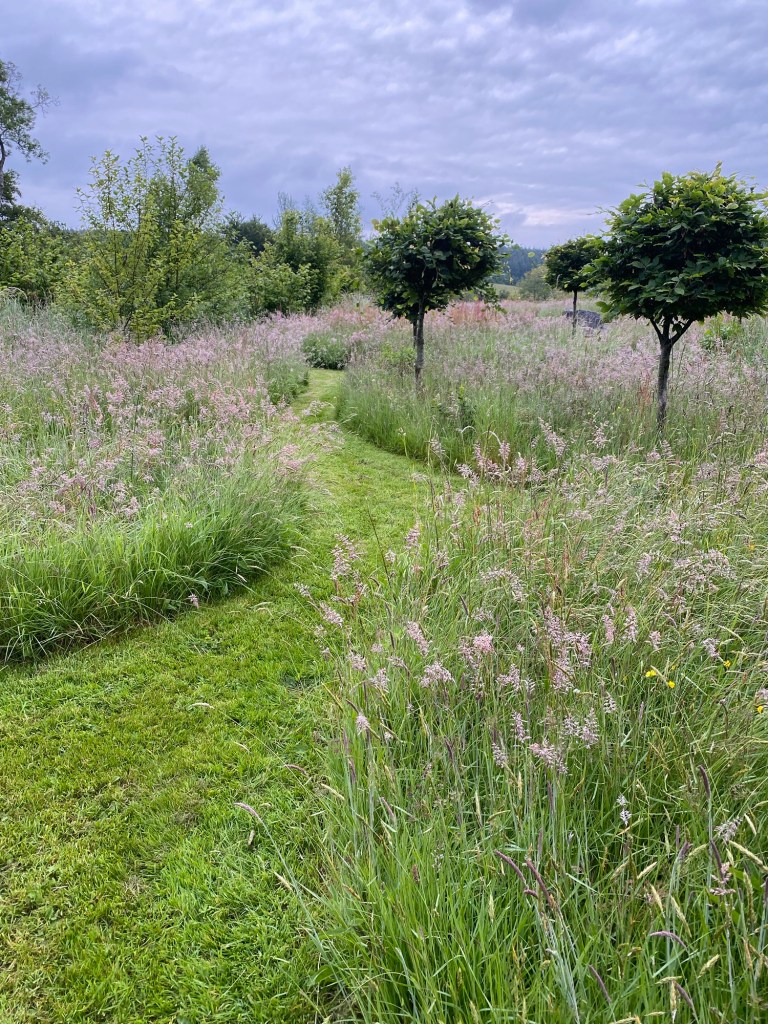
In nine years however, the growth of most things has been extraordinary. Visitors are bewildered when I reveal the young age of the oaks and pines. Most are delighted with how the circles and archways are linked together by mown paths, leaving the remaining areas, cut just once or twice in the year, to produce a profusion of wildflowers and grasses. The arboretum, with its gravelled areas, cairns and rocks provides interest throughout the year and is a fun playground for young children. I walk its paths and its turf labyrinth morning and night in all weathers, and in contemplation. It has spring bulbs, autumn colour, and beech trees pruned into cheerful mop tops. Every day it seems to offer up some new point of interest.

2024 was a year in which the oaks and hornbeams put on spectacular ‘Lammas growth’ during August. In May the meadow grass was set off handsomely by the tightly mown paths. As the grass got longer it was a welcome hiding place for a mother pheasant with its brood of around eight energetic chicks.

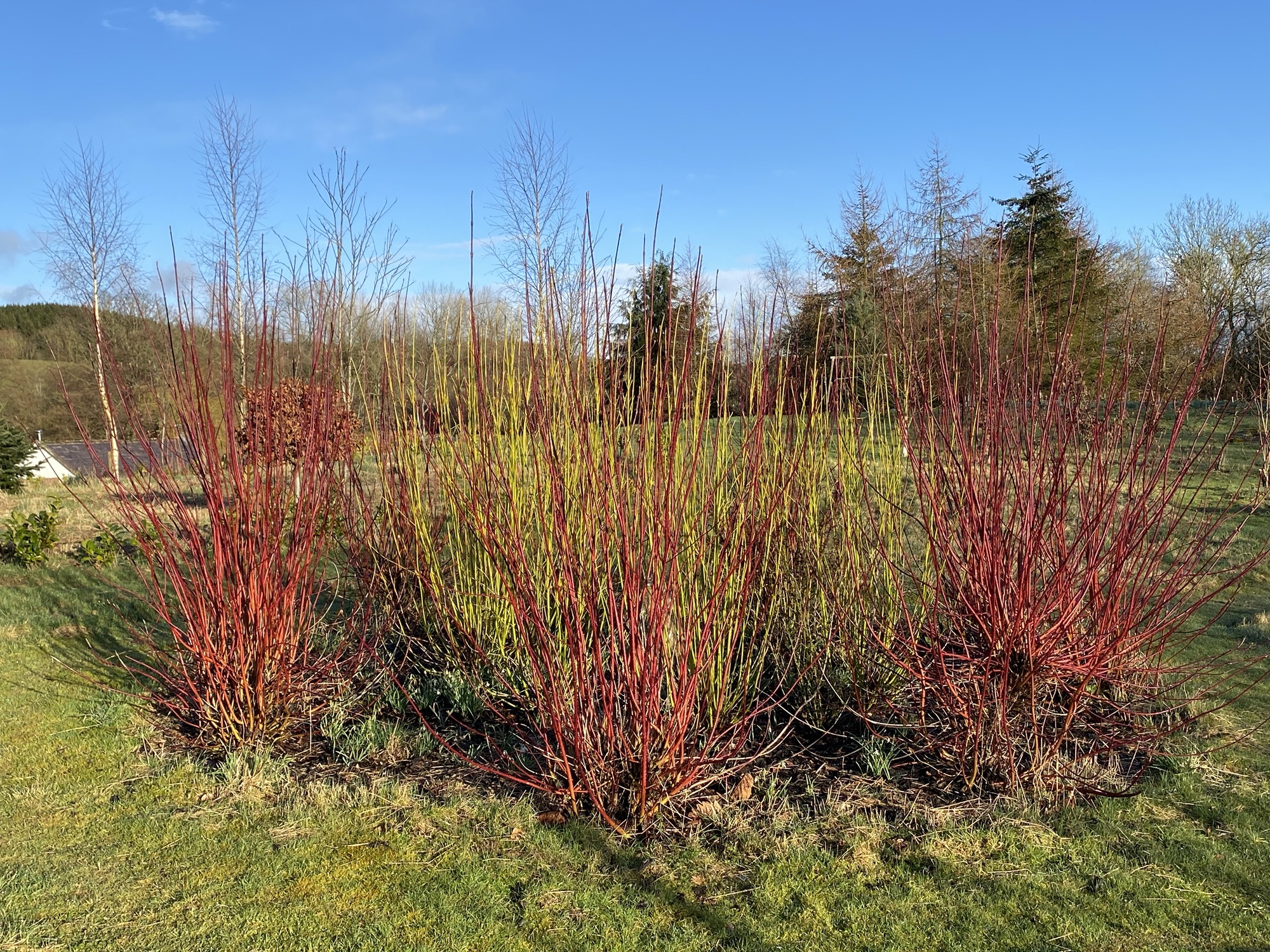
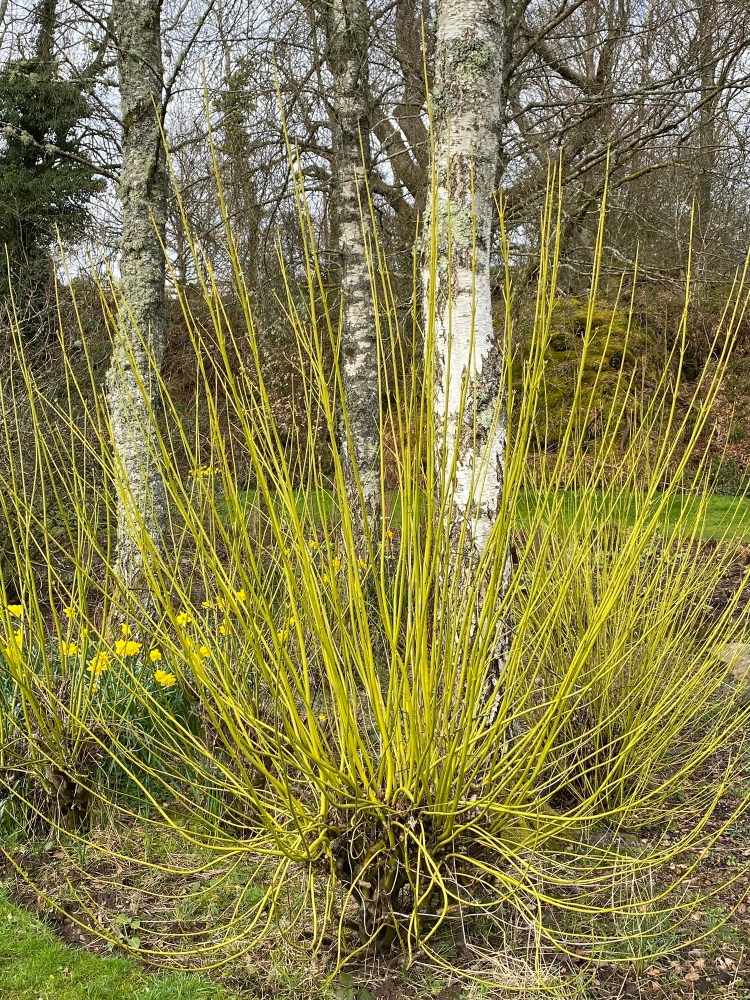
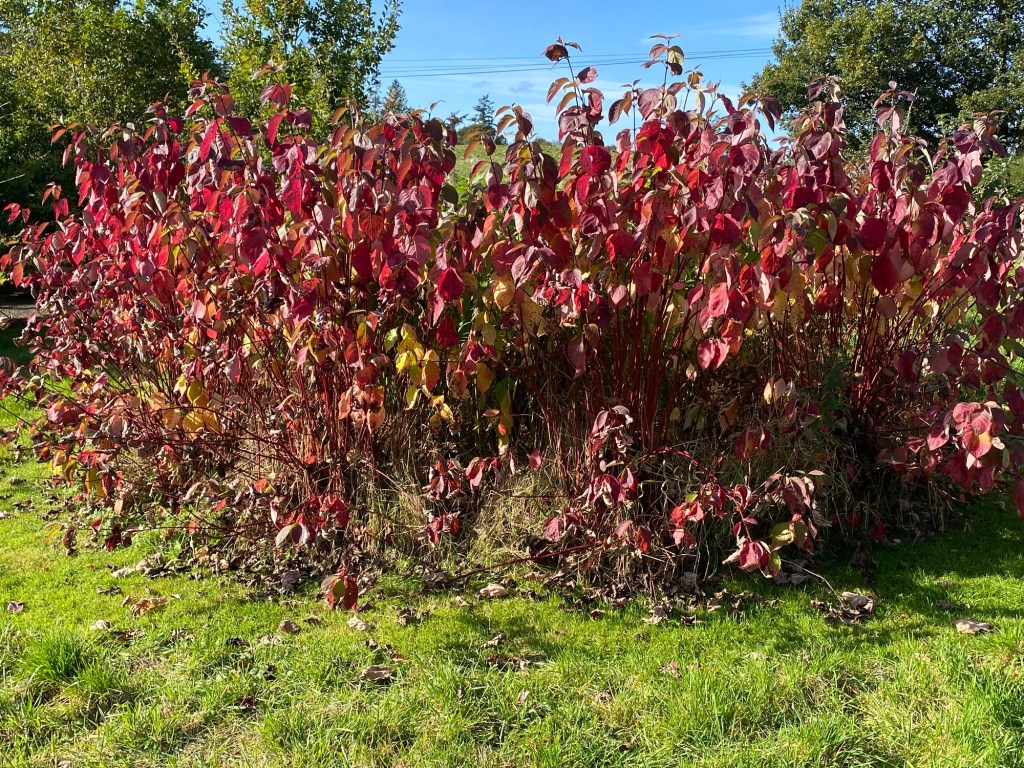
As well as visual and aesthetic pleasures, the arboretum has its productive aspects. Oak leaves, raked up in November, make for excellent piles of leaf mould. Grass cuttings from the paths go into the compost. Hazel stems, removed in January to encourage new growth, provide quality material for sweet pea wigwams and the odd walking stick. Red and green cornus stems are always the preferred choice for an ‘Easter tree’ in the house. Loppings of low branches to keep the paths clear provide excellent hardwood kindling.

When I took on the rental of the field in August 2015, it had been fallow for many years. Now it seems immensely productive. I had little notion that my plan to plant trees would yield such rapid results and completely under-estimated the pleasures it would bring forth in less than a decade. Excuse the pun, but I feel sure that my rental agreement has given this field a new lease of life. I am looking forward to further planting and new growth in the arboretum’s 10th anniversary year, 2025.

The full list of pieces that make up my A-Z in the Dumfriesshire Garden in 2024 can be found here: https://davidgrahamclark.net/a-z-of-the-dumfriesshire-garden-in-2024/

A great week for Cicely and David – the play

Since it was first released upon the world at the Edinburgh Fringe Festival in 2022, members of the ATLANTES palliative care group at the University of Navarra in northern Spain have been enthusiastic supporters of my play, Cicely and David. In one week this autumn however, their commitment went beyond anything I could have expected, when in two separate performances, three days apart, they performed the play to a total of almost 1200 people.

How did this come about?

In late 2022 Carlos Centeno, the leader of ATLANTES, took steps to have the play translated into Spanish. The following Spring, members of the team carried out a rehearsed reading of the script at a staff away day. The reaction was so positive that they decided to take the play to the stage, never mind that no one involved had any theatre training.

After months of dedicated preparation, and with support from drama specialists at the University, the result was a barn-storming and exuberantly received debut at the annual conference of the Latin American Palliative Care Association, in Colombia, in March of this year. A few days later, and back in their home city of Pamplona, they performed the play in a local civic theatre and received a standing ovation from the capacity audience. I was lucky enough to be there that night.

On Monday 14th October, the players were back on stage in the theatre of the Museum of the University of Navarra. The performance was filmed for future screenings.

Three nights later the team was at the Conference of the Spanish Society of Palliative Care, in Malaga, where they performed the play, once again. This time for some 800 people, of which I was one.


The play tells the story of a Polish migrant, David Tasma, who is dying from cancer in post-world war II London, estranged from home and family. A brief, intense relationship with his social worker, Cicely Saunders, helps him to find some resolution to what he feels has been a worthless life. In the process, an idea is born that later becomes the world’s first modern hospice, founded by Cicely Saunders in 1967 and thereafter to become a beacon for end of life care improvement around the world.


The play has just five characters and proceeds seamlessly through 12 scenes in the course of one hour. For their performances in Malaga, I want to salute each of the five ATLANTES actors, none of whom had performed onstage before this year.

Ana Larumbe, a senior nurse in the palliative care service at the Clinica di Navarra, brings strength and compassion to her role as the older Cicely Saunders. In a chance meeting with a recently bereaved husband, Paul, in the garden of St Christopher’s Hospice and just months before her own death in 2005, she responds to his questions concerning how the hospice idea first came about. Ana superbly demonstrates the communication skills of Cicely Saunders, as she encourages Paul to tell his story, whilst she in turn responds to his flood of questions.

Paul is played by Álvaro Montero Calero, during the day an early career research technician, who expertly shifts the emotional register back and forth between his own grief, and the excitement of meeting the famous hospice founder.

We then pan back to the young Cicely, who we meet as a novice social worker in summer 1947. She is played with compassion and insight by Alicia Hernando-Garreta, an ATLANTES PhD student, who is working on the analysis of public writings about palliative care in Spain.

In the central part of the play the young Cicely oscillates between scenes with David Tasma, and with her friend and experienced social worker, Woozle.

David is played with gravitas and dignity by palliative medicine fellow Diego Candelmi, moving from confused resistance to his illness, through guilt and shame about past actions, to a measure of acceptance of his imminent death. He is supported on this journey in a series of visits from his social worker, in which Alicia demonstrates the subtle skills of listening, probing, and meeting David on the shared ground of love and loss.

In sharp contrast, Woozle, played by Ana Paula Salas, an ATLANTES PhD student in medical education, heightens tension in the story with a feisty combination of humour, provocation and caring insight, challenging Cicely, the novice social worker as she befriends David, and runs the risk of over-stepping her professional role.

The play ends, front of stage, with all the cast present. Ana Larumbe, with great dignity, beautifully gathers up the story of David Tasma, a man who thought his life had been a failure, but whose legacy lives on in the compassionate approach of ‘mind and heart’ that is so central to modern hospice and palliative care.

These superb performances are wonderfully supported by the directing skills of Vilma Tripodoro, working with Alicia Hernando-Garreta. The set design is imaginative and creates the different contexts of the action wonderfully well – the St Christopher’s Garden, two post-war London hospitals, the home environments of Cicely and Woozle, as well as Simpsons’ restaurant in the Strand. This is further enhanced by striking back projections of each place and also examples of popular music from the period, selected by Albert Recasens, and co-ordinated with the lighting by Fernanda Bastos.


It was an honour for me to be at the Malaga performance, to feel the energy of the cast and the emotional response of the audience. When copies of the playscript in Spanish were given out afterwards, I was surprised to find myself being asked to sign them. It was at that moment that I had the particular pleasure of meeting board members from the Pia Aguirecche Foundation, which has done so much to support the production of the play and can see its value in sharing the ‘message’ of palliative care.

I have previously observed that writing Cicely and David was a team effort in itself. To then have it produced, directed and performed has also involved team work of the highest order. The ATLANTES group members and their colleagues at the University of Navarra absolutely embody these collaborative values. Together they are taking a play about palliative care on a fascinating and still unfolding journey: and for that I am deeply grateful.

Acknowledgements: Photographs courtesy of SECPAL and Vilma Tripodoro.


Picking apples

Late September brings a frost and then a blusterly gale. In between there is heavy rain. Early October sees the return of warm sunshine, and dry conditions, then a couple of nights when temperatures again plummet.

I think it’s time to pick the bulk of the apples.

They’ve not been at their best this year, held back by a wet summer, and too little sunshine. A few weeks ago one large branch, laced with fruit, cracked and fell to the ground. Not the June drop but the rainy September flop.

The crop is a bit blemished too, with mushy brown patches that soon spread. Intrepid slugs have made the ascent from ground level and are now gorging on the juicy, discolouring flesh.

There are some compensations. The pippins have been good to eat for a couple of weeks now, helped along by the frost. I have one every morning with my breakfast. Less good are the red Fiestas, which I’m not sure will come round at all. I try one or two straight from the tree, normally a real, juicy pleasure, but decide they need longer if they don’t hit the ground first.

The Bramley cookers are getting into their stride. I moved the tree to a sunnier location a few years back. Now the fruit is looking much better. Not too many, but for the first time, some large bright green apples, with dense flesh and good flavour. They’d grace any greengrocers stall.

Today I concentrate on the Melrose Whites. Very large and perfect for cooking, though they don’t keep for long. I stretch up to where the best apples always seem to be – just out of reach. I shake the branch and deftly catch two of the three that fall. I weigh up the ribbed shape of the Melroses, one in each hand. Likely developed by the monks of the famous Border Abbey, the flesh of the fruit is said to be as white as a Cistercian’s habit, whilst the skin is streaked with patches of red among a predominance of the palest greens. Here in my hands, a direct link to the Middle Ages.

Medieval or not, and even in a less good year, there is a real pleasure in picking apples, and no doubt, there will be more than we can eat or preserve. I fill the last of my wooden trays, satisfied I’ve got enough for our needs. Then I text Max, the local cider maker. He’ll be along in a few days to gather up the last of the harvest.

Six word stories

Flash fiction is popular. Very short stories. From maybe fifty to a few hundred words.

But how short can a short story be?

Ernest Hemingway is credited with the quintessential version. A story of just six words. Coming across it a few months back (it’s easily found on the internet) I began scribbling my own attempts in a notebook.

I soon learned that the six word story has become a genre in its own right. There are plenty of guides out there to help would-be six word authors.

Here’s the gist. Six word stories have a subject and a verb. Most of the narrative however can only be hinted at, or left unsaid. Ambiguity is key.

If you are interested in writing, the six word story is a handy thing to keep in the drawer. It lends itself quite well to auto-biographical reflections. It can stimulate ideas when ideas won’t come. It is also very manageable when it comes to editing.

Here is a selection of my prentice efforts. Feedback welcome!

‘An outstanding academic’. Some said.

*

His family was blended. With grit.

*

She let the big sky in.

*

He’d so many memories. Mostly forgotten.

*

Please read! My six word story.

*

Apple of her eye. Windfall now.


*

David Graham Clark

The number of words we use for any given purpose, seems to be important. It’s easy to over-write a sentence and if persistent, that can ruin the whole work. On the other hand, over-use of short sentences can be irritating and lower the literary tone. One reason for being suspicious of short sentences is that politicians are prone to them. I once saw the comedian Rory Bremner doing an impression of a Barack Obama speech: ‘His sentences have five words. Sometimes two’.

But with all this said, the super-short story does have its appeal. Not over blown, but cutting to the chase. So I’m sticking with it for a while. As Shakespeare observed in six words: ‘brevity is the soul of wit’.

Fire in my Mouth: a concert performance in Edinburgh

It ended with a massive standing ovation that rang on and on, through multiple curtain calls. The atmosphere in the Usher Hall was jubilant, yet sorrowful in turns. The audience simultaneously astonished, stunned, tearful, but also joyous.

It had been one of the most remarkable hours of my life, in which not a second was lost to the performance. In the days that followed, I reflected on it further and read some more.

So here’s the story of 21st August 2024 when for one night only the Philharmonia Orchestra and the female singers from the National Youth Choir of Scotland and its National Girls Choir, performed Fire in my Mouth under the baton of the world-famous conductor, Marin Alsop, at the Edinburgh International Festival.


First, the context.

Continue reading “Fire in my Mouth: a concert performance in Edinburgh”

The interplay between reading and writing

In 2023 I wrote my first novel, Epiphanies and Robberies, and serialised it here – month by month. Whilst I’m the author of quite a few academic books, I’d never before produced something like this, an extended work of fiction, with characters and a storyline totally of my own invention. Certainly, over the years I had mapped out ideas or even made a start on novel writing, but always I failed to produce a completed manuscript. Until now.

Continue reading “The interplay between reading and writing”

Music in the spirit of a novel

Last year I wrote my first novel, Epiphanies and Robberies. I was fortunate to have the encouragement of a loyal band of friends and enthusiasts, who got behind my serialised story as it appeared, chapter by chapter, one month at a time, on this blog.

This year has seen the struggle to find an agent or publisher who will take on my work and bring it to the reading public. It’s a frustrating and rather slow process, though I keep up my efforts.

Happily, members of the loyal band continue to encourage me. Some in the most curious of ways, as I can now reveal.

Continue reading “Music in the spirit of a novel”

Bedside vigil: from contemporary painting to palliative care

The painting is over two metres high, more than a metre wide, and from the end of the upper room, it’s radiating with bright colours and intriguing forms. I’m looking at a work by artist Gabriella Boyd, in Dumfriesshire’s Cample Line gallery. The image is unmissable, yet I seem drawn to it by contrary feelings.

I think I know something about what is going on here, but at the same time I’m puzzled.

The painting is telling me a story, but not through any obvious narrative progression. 

Continue reading “Bedside vigil: from contemporary painting to palliative care”

Emma Jane Pagan – a story that keeps blooming

I was organising a weekend festival in my local parish in 2014, when I first met Emma. The whole event was a celebration of autumn and she kindly provided the festival café with lovely seasonal arrangements to go on each table. When the programme ended, the displays were auctioned off and I found myself signing up with her for a regular delivery of flowers to my home.

So I’ve known Emma for a decade, but until now, knew little of her ‘back story’.

It’s a tale of determination, hard work and of over-coming personal challenges.

It’s also a fascinating example of business and creative innovation in a rural setting. Finding a niche idea, building a community around it, and thereby enhancing the lives of local people and visitors alike.

I hope you’ll enjoy reading here how Emma faced up to a series of obstacles,  and having got round them, is now living the dream as proprietor of one of Dumfries and Galloway’s veritable ‘hidden gems’.

Continue reading “Emma Jane Pagan – a story that keeps blooming”

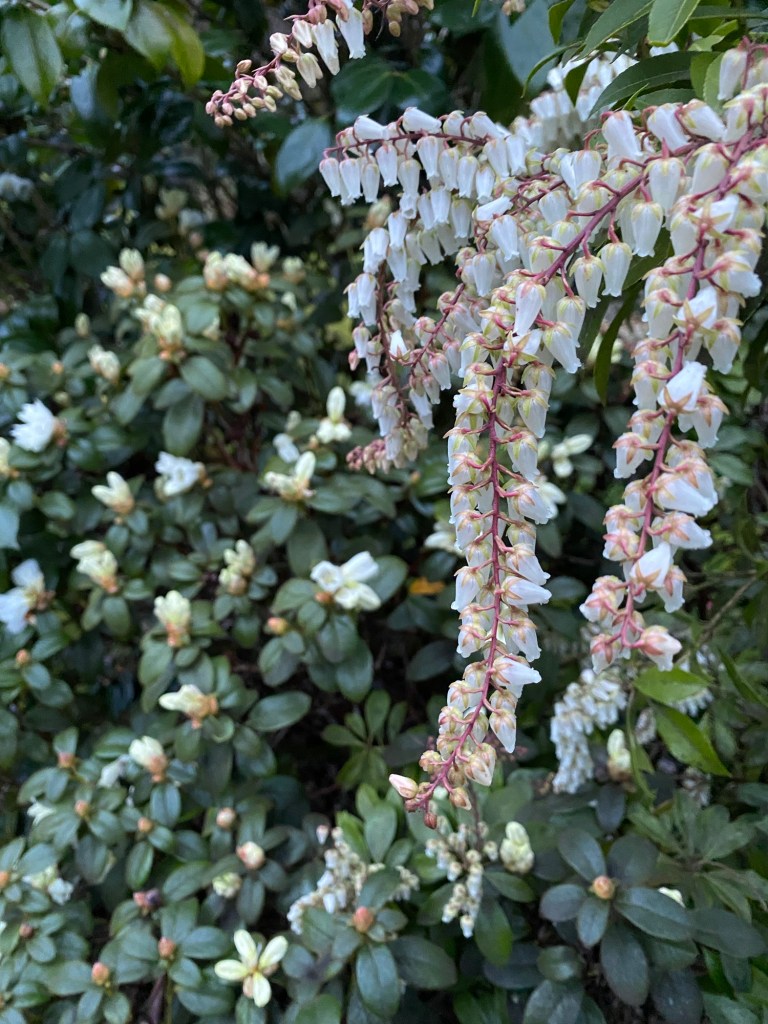
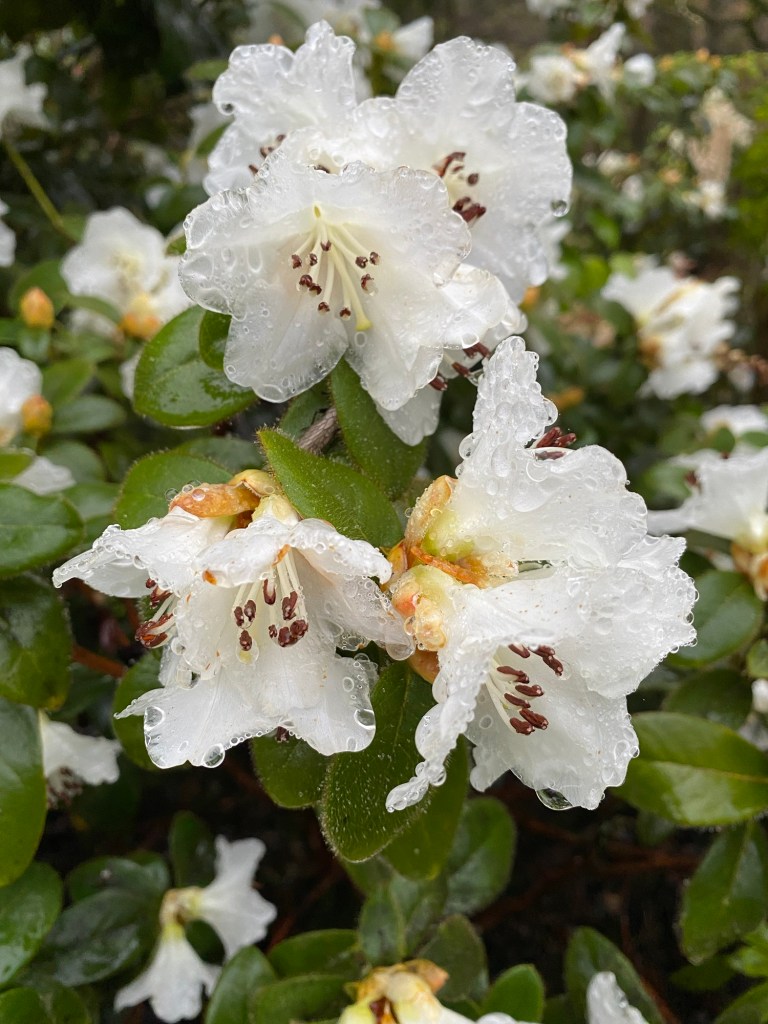
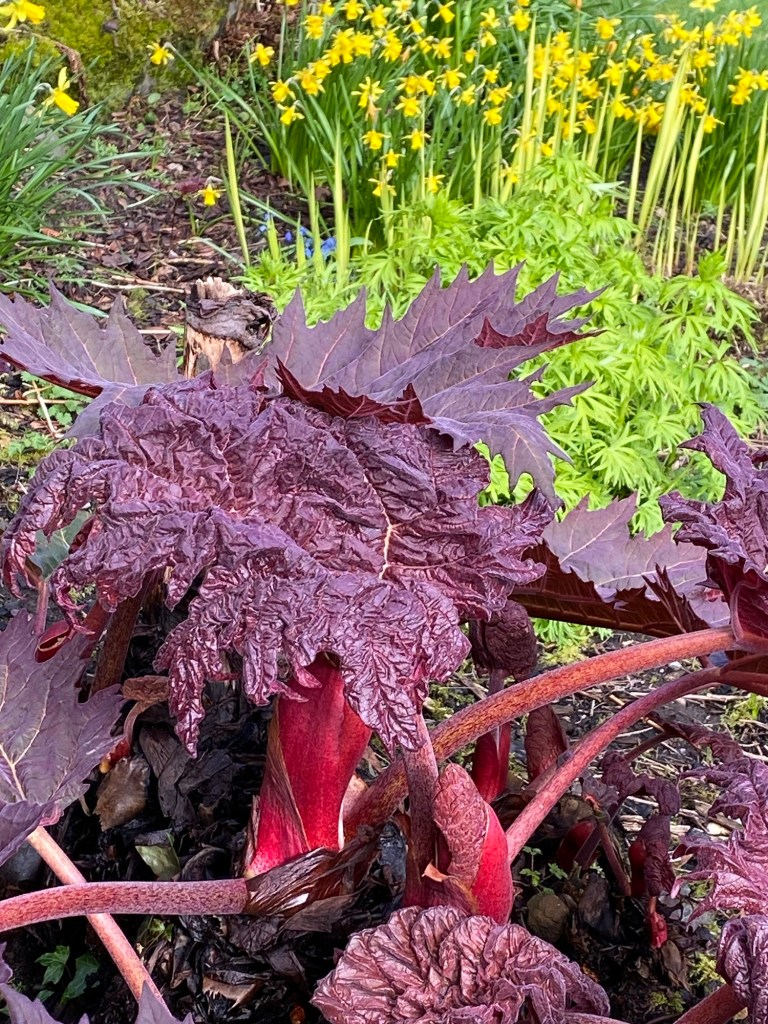
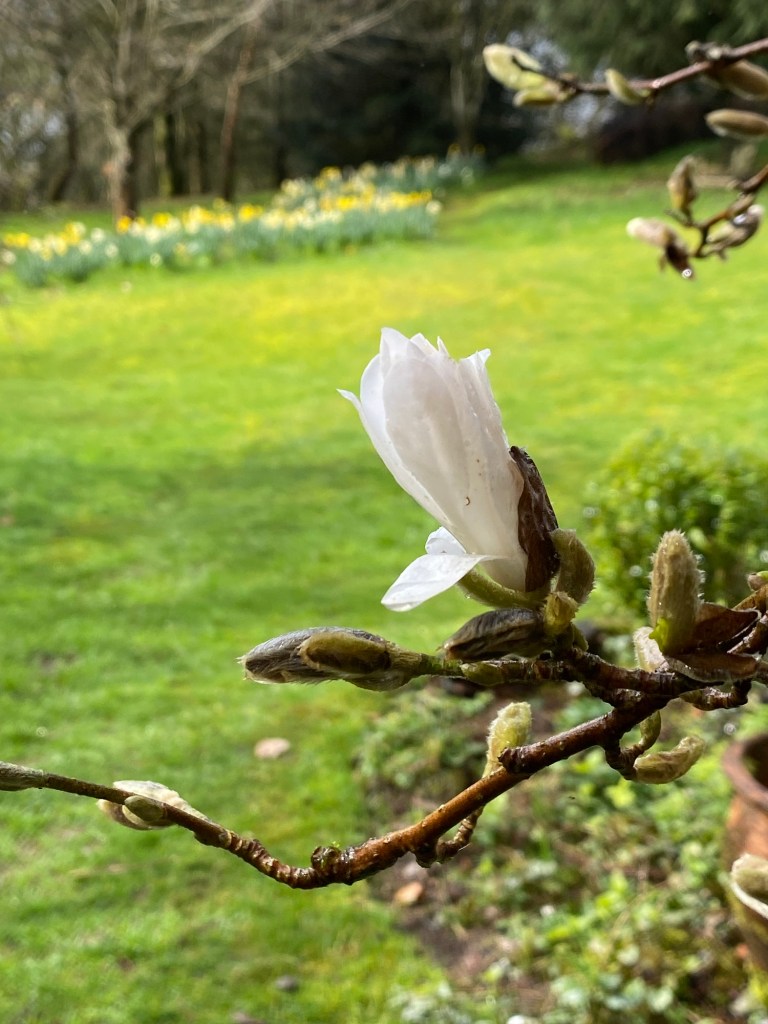
Lost and found in the Spring garden

It has been a long, hesitant, process.

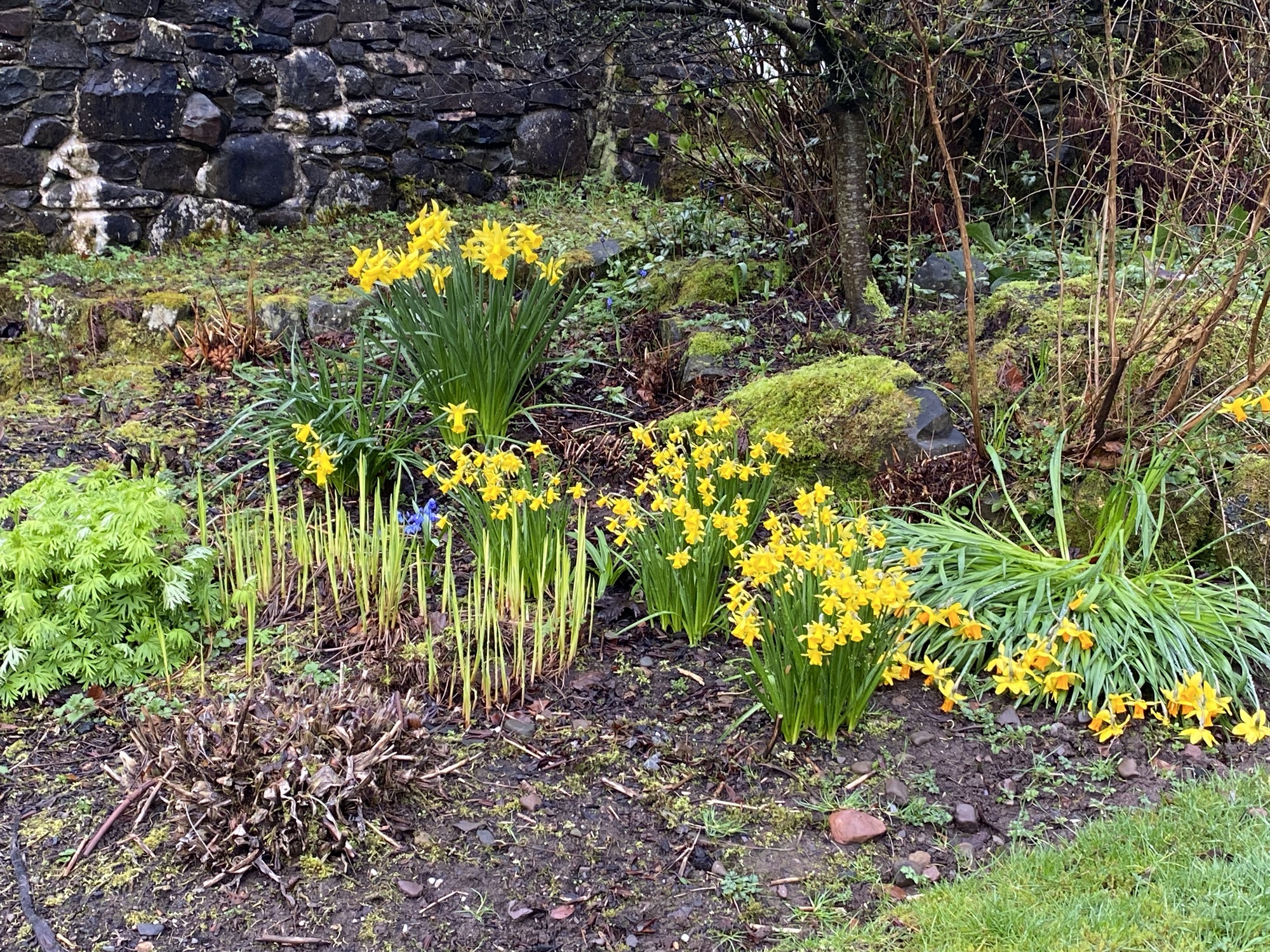
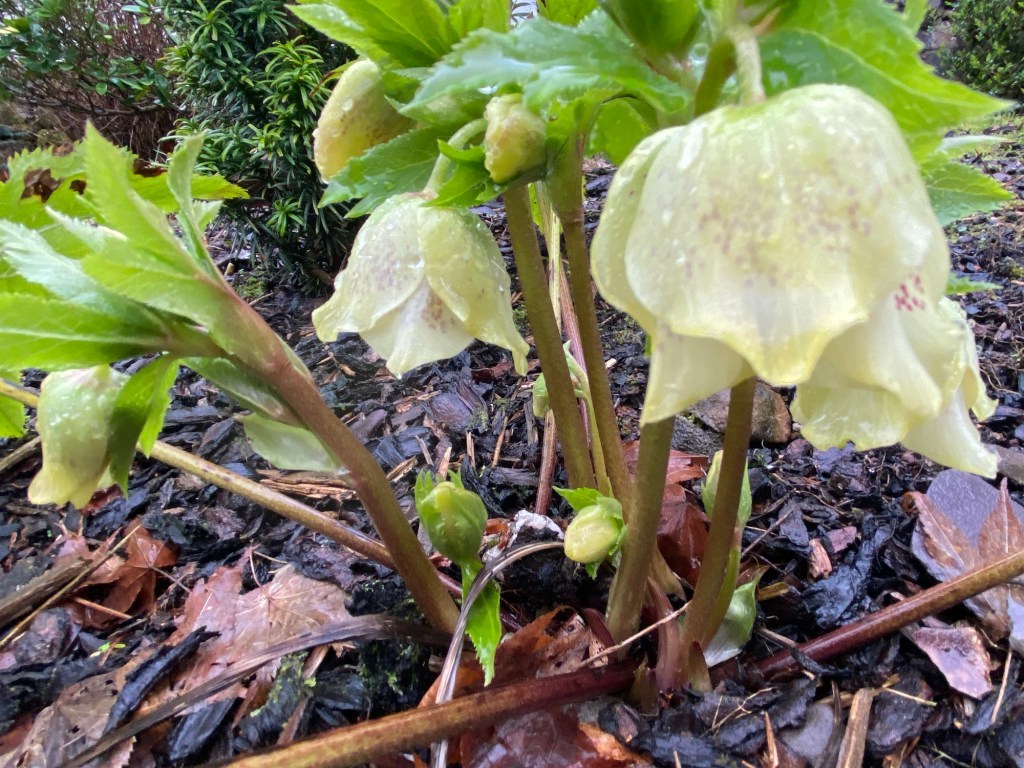
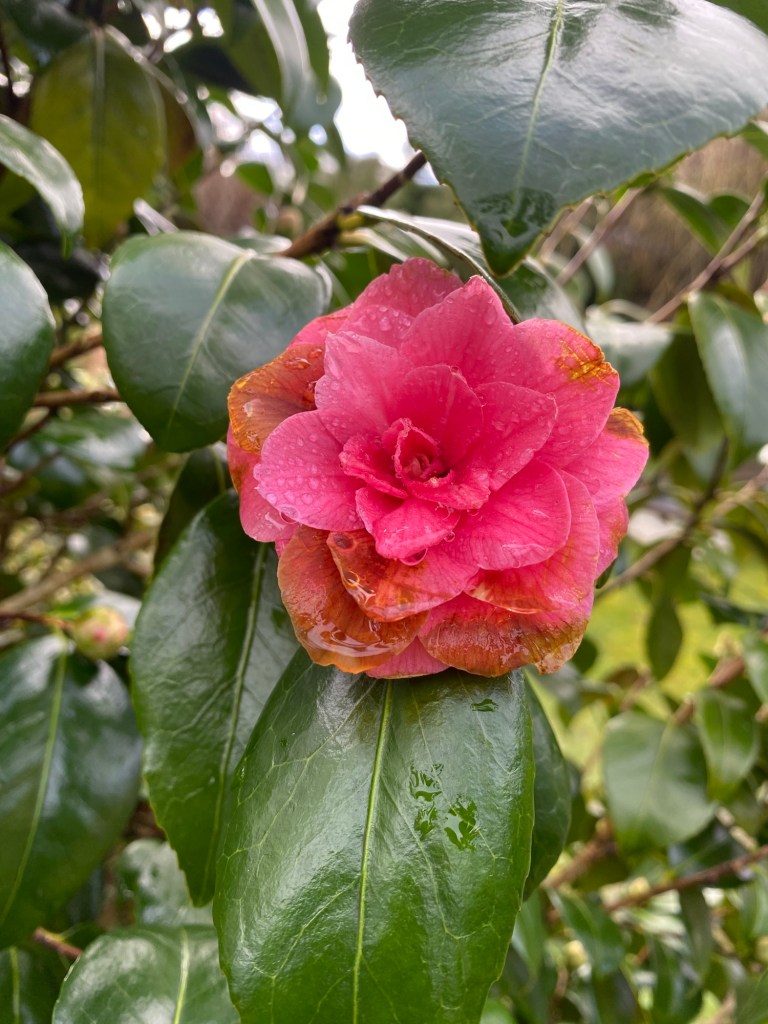
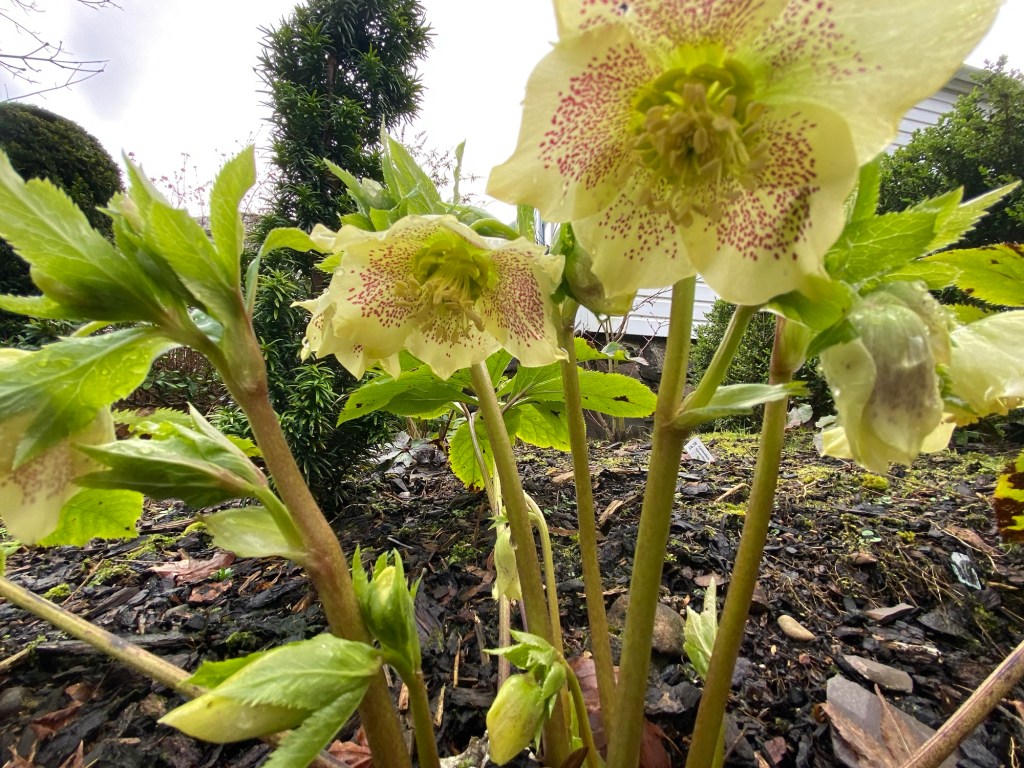
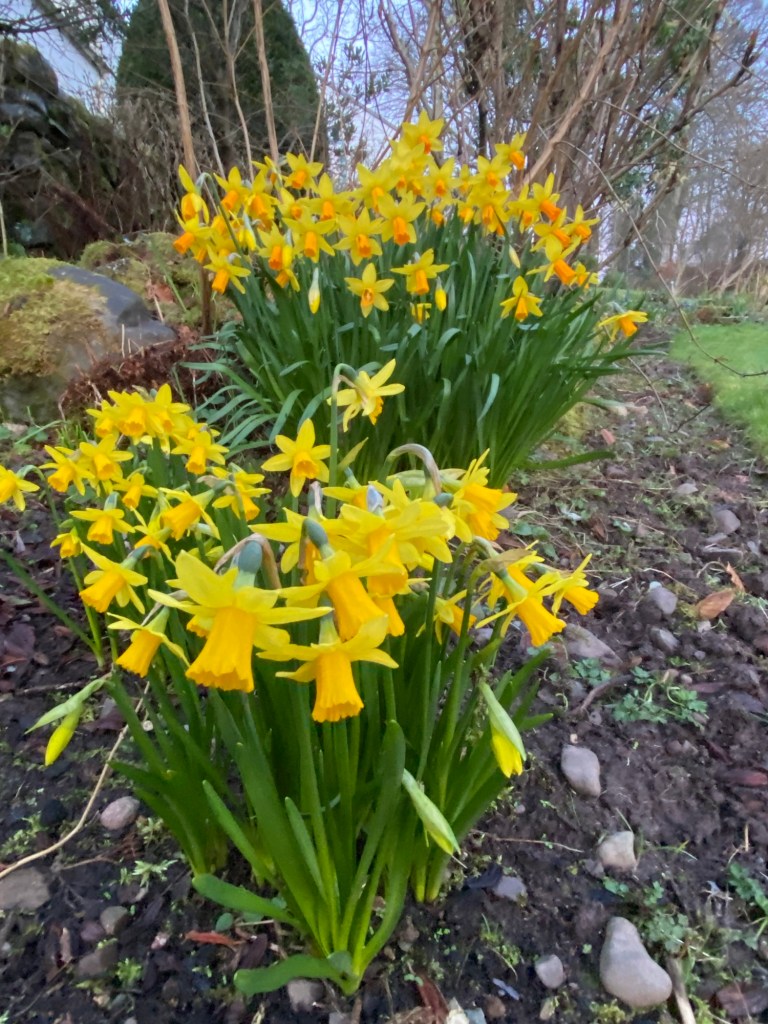
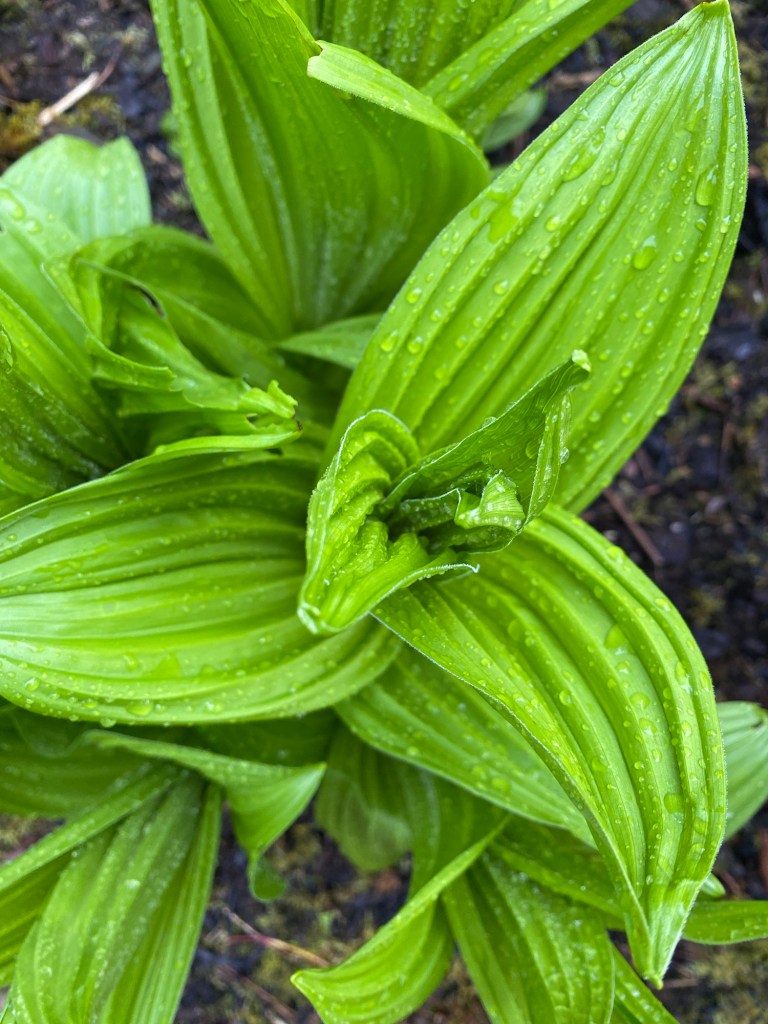
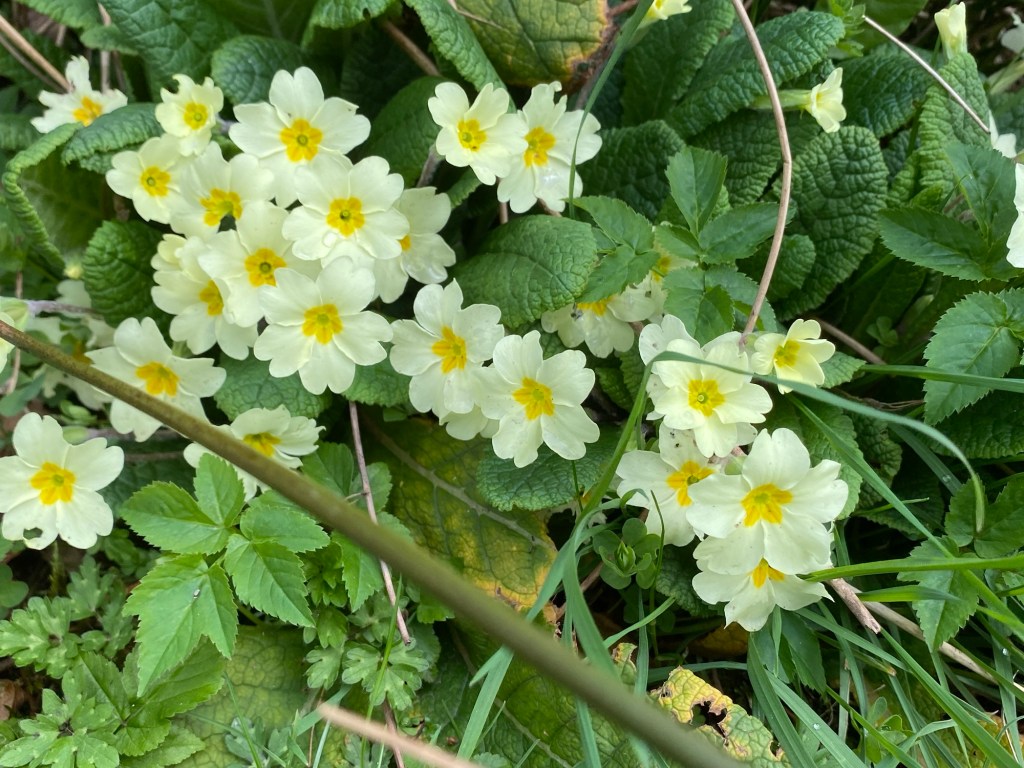
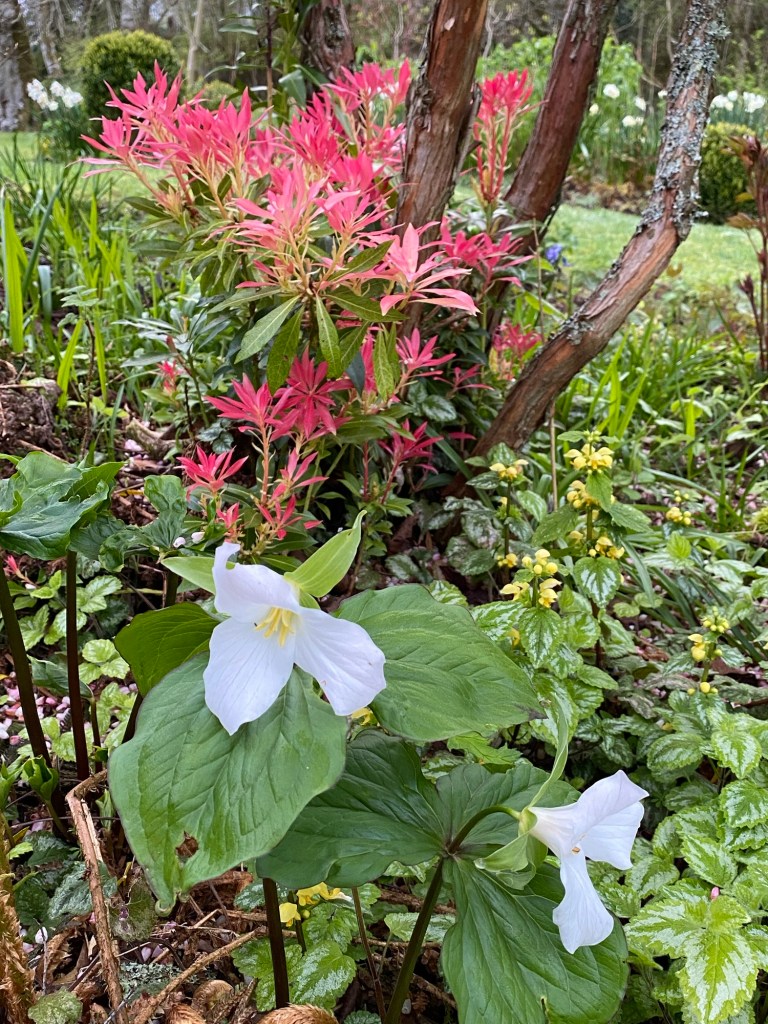
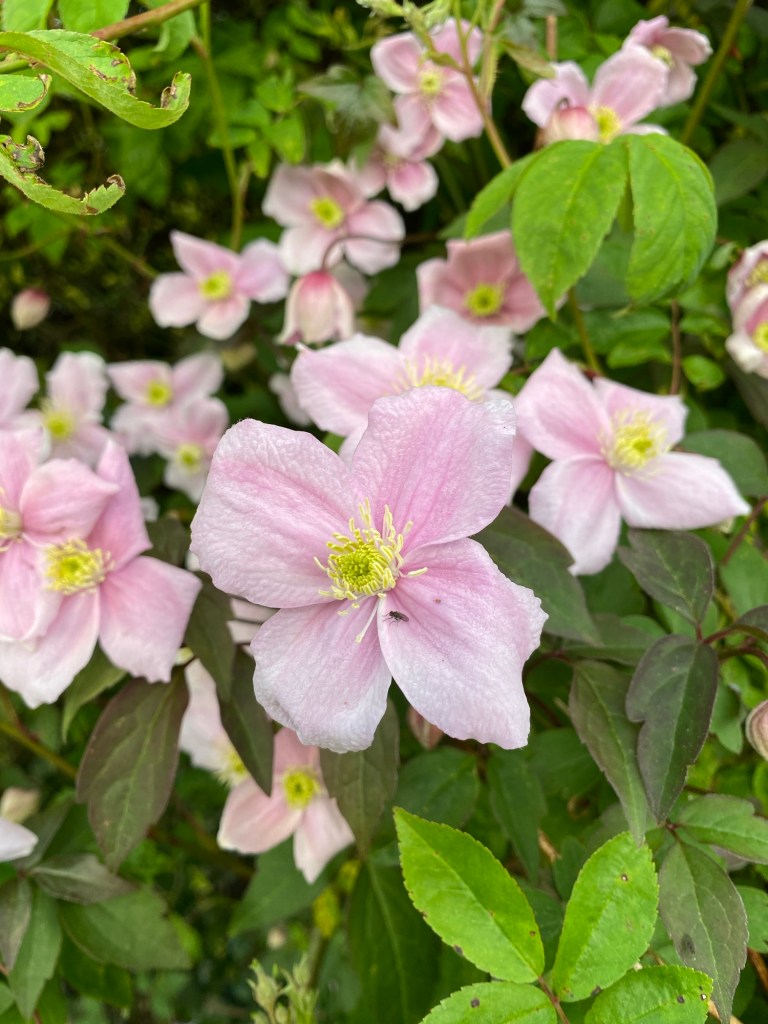
I look back at my diary and photographs over the two months since mid-February, bemused by the intermittent unfurling of Spring 2024, here in south west Scotland. Delayed by days and days of rain. Held up by low temperatures and with winds ‘like a whetted knife’. Hindered by the persistent chill of the wet earth.

Yet curiously it’s made for a good experience. I’ve realized that Spring is not just about the excitement of new growth. There’s also the matter of balancing expectations. For like it or not, Spring in the garden is about both disappointments and pleasures.

On the negative side of the balance sheet come the frustrated hopes. I think of the 60 allium bulbs of the variety, Purple Rain. They produced an astonishing display in their first season. This year all that’s to be seen is a clump of indifferent leaves. No flower buds in sight.

Likewise the clutch of Erythronium bought last year at Hidcote Manor, my all-time favourite garden. Carefully planted in a new border that we see from the kitchen window, all that’s on view at the moment are a few tattered leaves and a single white flower, albeit rather elegant.

Over the years, I can think of various splendid plants that were nowhere to be seen come the Spring. Here are a few from memory: Fritillaria, Colocasia, Arisaema, and Penstemon. Also shrubs and trees that never again came into leaf, like Japanese Maple, various Rhododendrons, and the dead stems of Eucalpytus and Cordyline. Winter victims all, that never made it to Summer.

Continue reading “Lost and found in the Spring garden”