In my forthcoming debut novel and in effulgent terms, I describe May in south west Scotland, where I live.
May can be the finest month in the Nithsdale year. Through the woods, bluebells nod in drifts. Along the loanings, cow parsley froths and swaggers. The lovely campion and cuckoo flowers are everywhere in the grassland. In gardens, the borders pulse in waves of perennials, from aquilegia to allium, meconopsis to meadowsweet. Everywhere, azaleas and rhododendrons clamour for attention. The long evenings are here too. People take quiet walks after the day’s work is done or head into the garden for undemanding jobs like deadheading the narcissi or staking the paeonies. In the fields, tractors are nudging through the day and into the evening. They cut grass for silage to store in huge clamps for winter fodder. Spring barley pokes through the soil in shining drills. Growing lambs and wobbly legged calves animate the pastures. The whole of Nithsdale seems alive and lush, open to the fragile promises of the summer ahead.
May in 2025 was quite exceptional and had many of these features. There is something almost overwhelming about the greens of May, the speed of change in the garden, the mood-lifting longer evenings, and the pleasures of sitting amongst it all with a cup of coffee. But this year there have been problems too.
Night frosts (some of them heavy) persisted until mid-month. I could almost feel the garden plants questioning how to proceed: hold back or take the risk? But then each day, from a cool morning start, the days lengthened in cloudless China-blue skies and rising temperatures. A period of unprecedented conditions followed. For the non-gardener it was unproblematically pleasant. So settled was the May weather that, jokers locally began to say that summer had arrived. I was reminded of the poem by Alastair Reid in which he rejoices in a fine day only to be told by his Scottish neighbour ‘we’ll pay for it … we’ll pay for it!’ Indeed when heavy rain finally came this May on the 23rd of the month, I was at a concert where the conductor began by asking the audience: ‘Did you enjoy the summer?’
It was a tricky month therefore for the Dumfriesshire gardener. With drying winds most days and a complete absence of rainfall, it brought several issues. I’ve often admired Andy Goldsworthy’s varied works with clay. This year the garden pond, fed from the burn, ran away completely, and its bed became an artwork in itself, taking on intricate patterns of cracks that deepened and proliferated as the rainless days continued.

The time came when I had to resort to watering. The burn had now dropped to such a low level that it became difficult to scoop out even a modest watering can full. I persevered for a while however, using two cans and turning the task into a form of horticultural weight lifting. When this became too difficult, I had to resort to the hose pipe, mindful of the need to be prudent in its use. In some ways this wasn’t a problem. Watering in garden or greenhouse is a pleasant task at first, but soon becomes tedious and not always effective.
There were numerous casualties. One day I was neglectful of my trays of meconpsis seeds, newly germinating. Most of them burned up in a single afternoon when the greenhouse thermometer soared. Japanese maples and Cornus Kausa suffered leaf burn. Newly planted hellebores keeled over in sorrow. In the allotment the healthy leaves of potatoes were scorched and freshly planted salads, beans and courgettes called out for moisture – and shade. I took to moving dozens of small pots of home grown Cosmos and Lupins out of the greenhouse at the start of the day, only to put them back at the end of it: fearful of leaving them to the frosts.
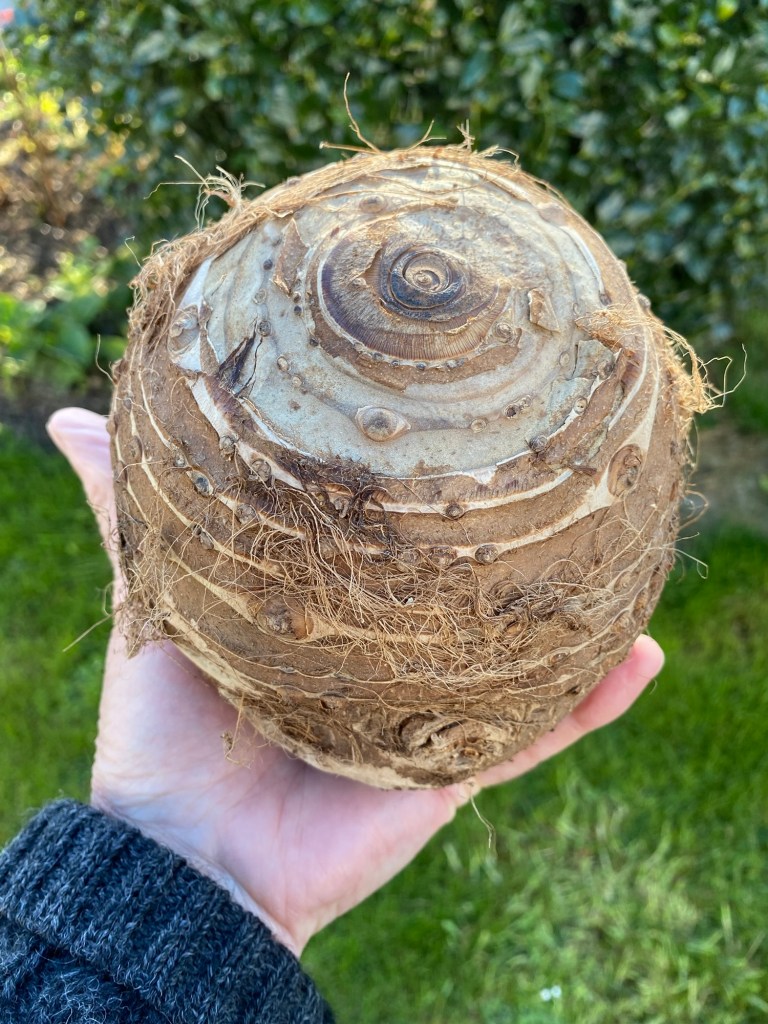
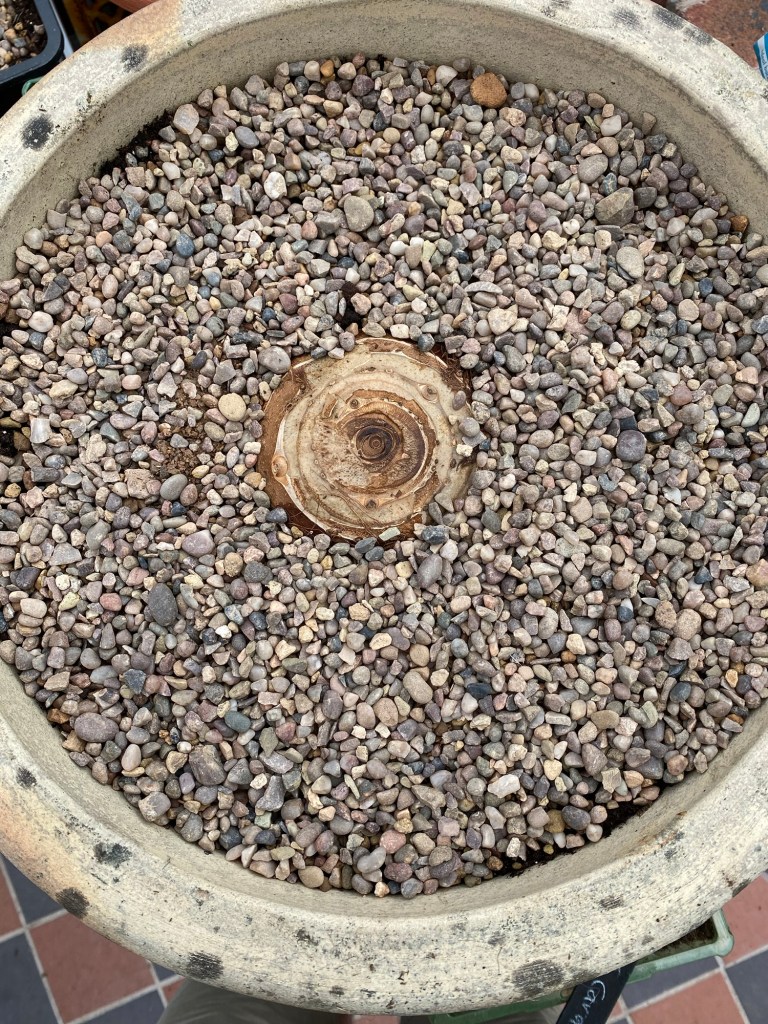
One new acquisition stayed under glass from the get-go. At some expense, I acquired a jumbo corm of Colacasia Esculenta. It’s a plant I have enjoyed growing in recent years for its fabulous large and blue-green leaves, sometimes referred to as ‘elephant’s ears’. This one is said to be of gigantic proportions. I potted it up on the fourth of the month and carefully covered it over each night. Widely known as Taro, I learned about this remarkable plant in my first year anthropology class at university. It is recognised in the Pacific region and beyond as a very important food source, but also a symbol of life, ancestry and connection to the land. Taro is a rich seam for ethnobotanists. So far this specimen corm, planted with its head just above the surface seems to have taken root, but has yet to show signs of sprouting growth. I will report back in due course.
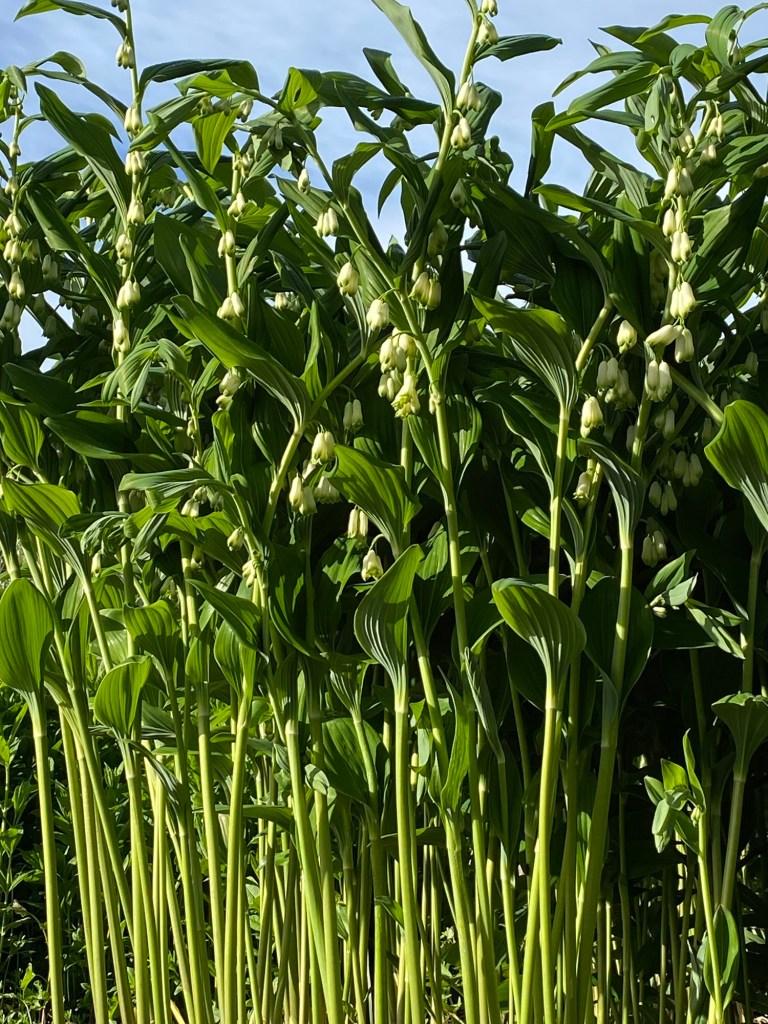
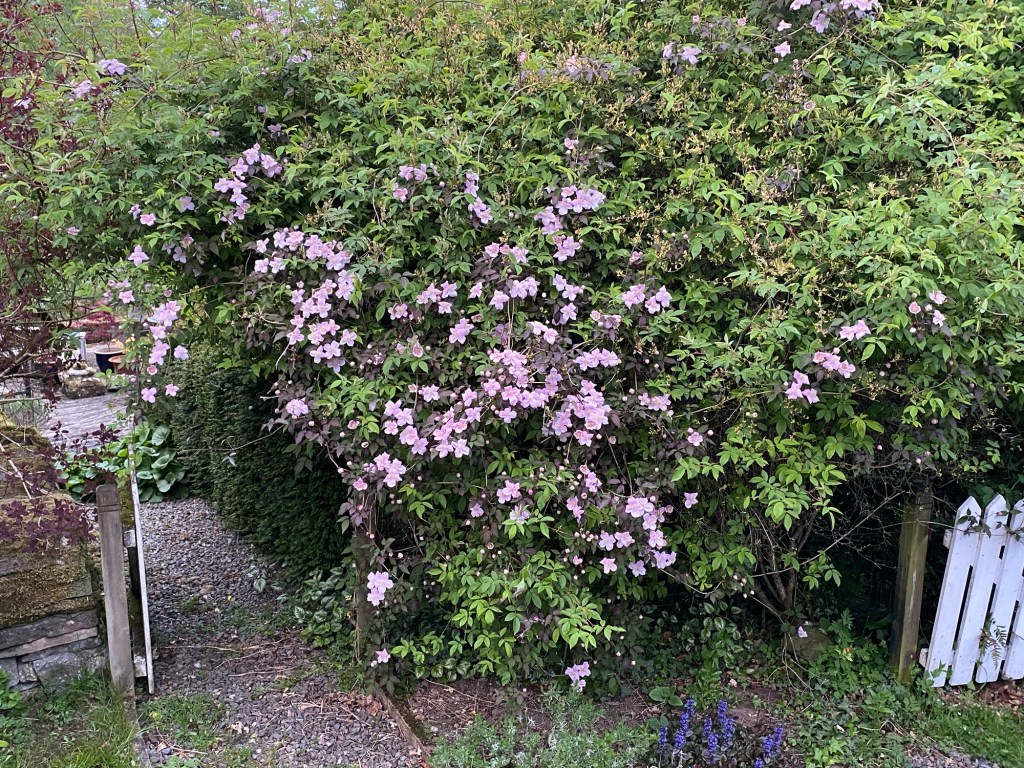
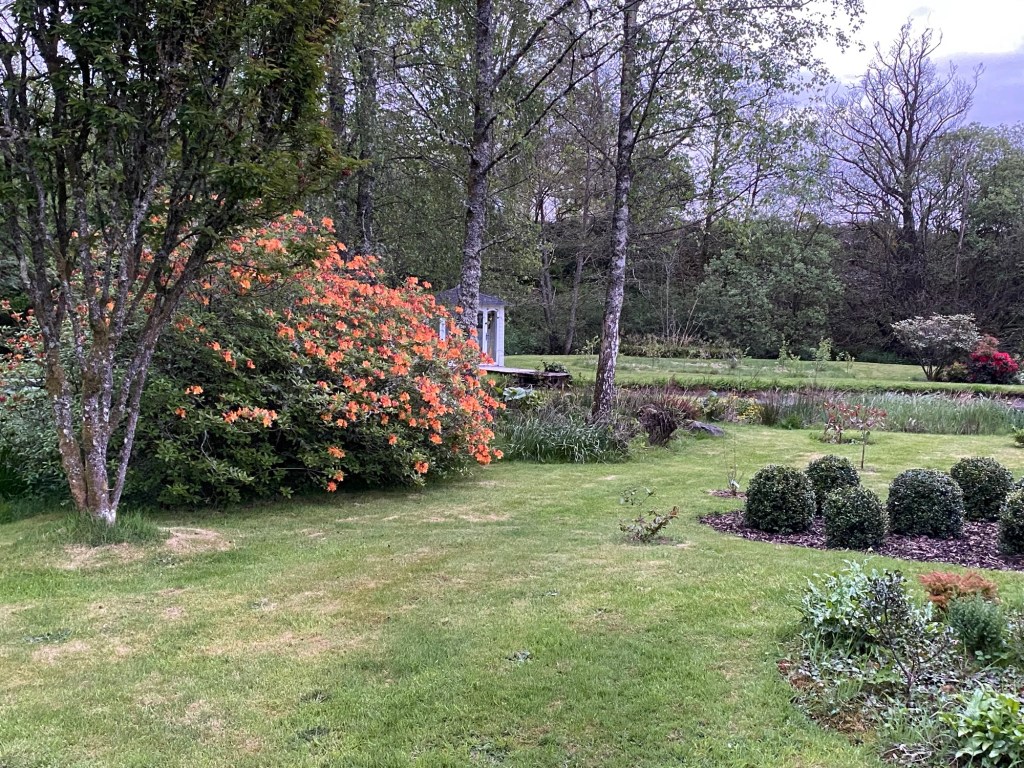
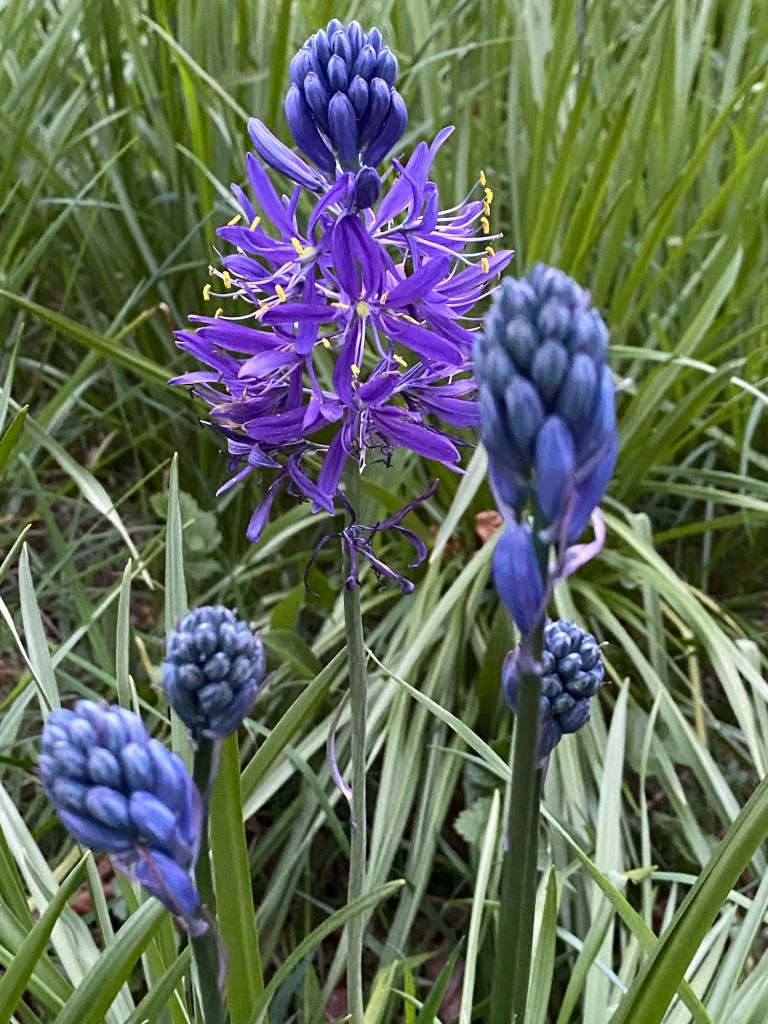
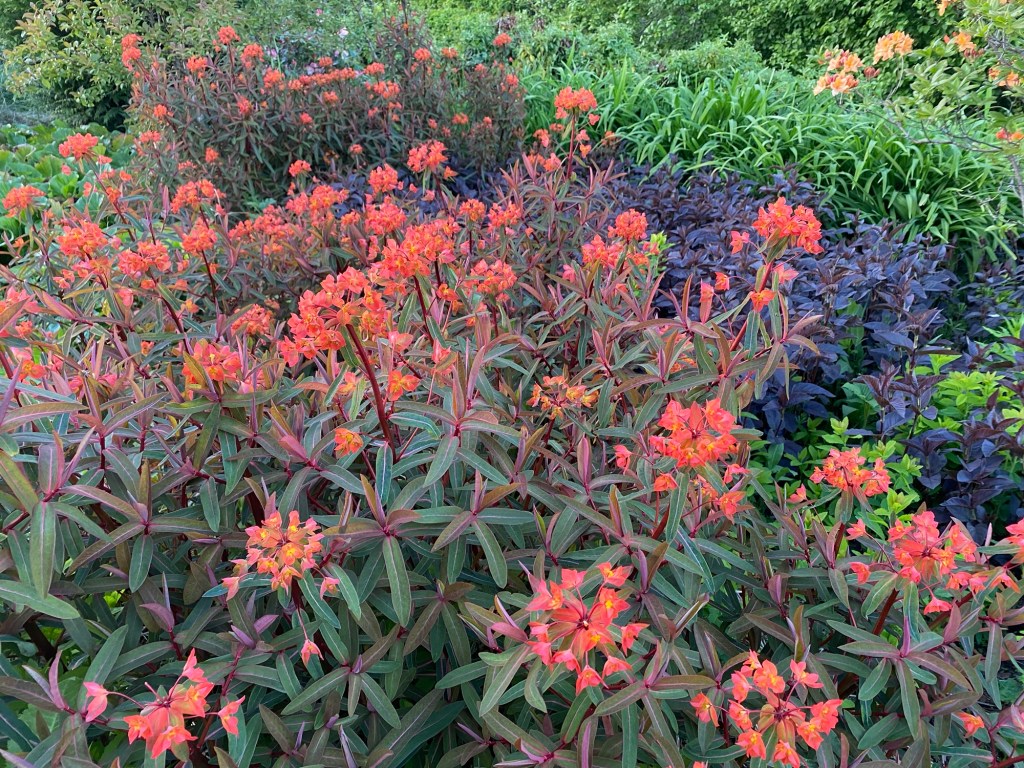
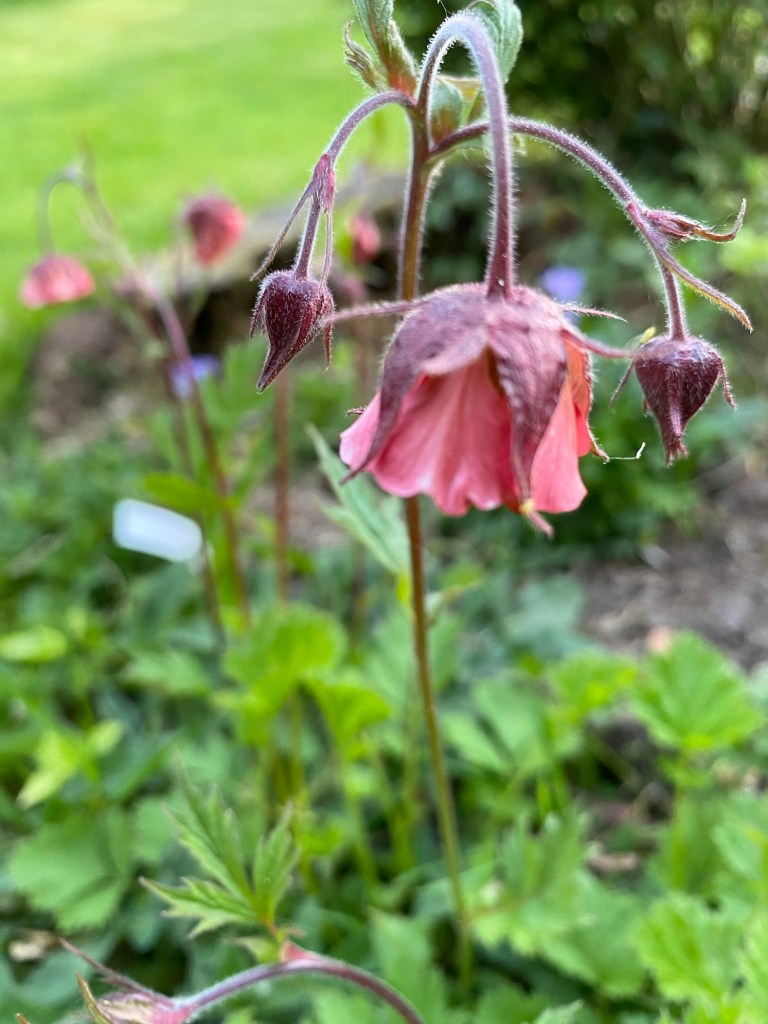
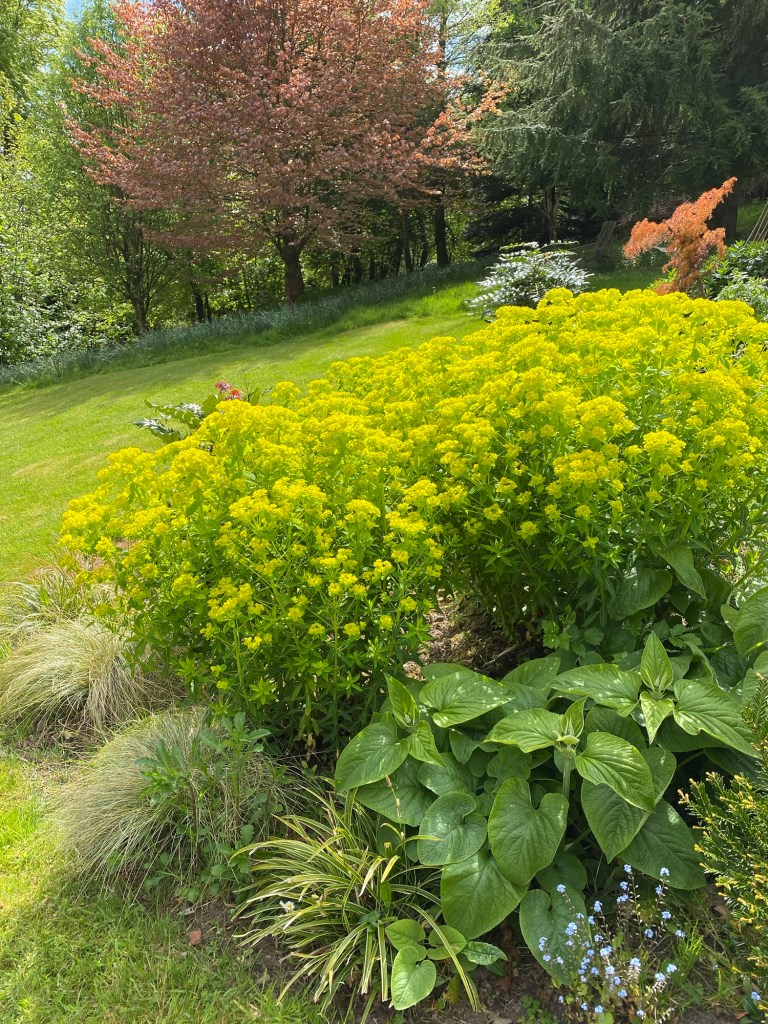
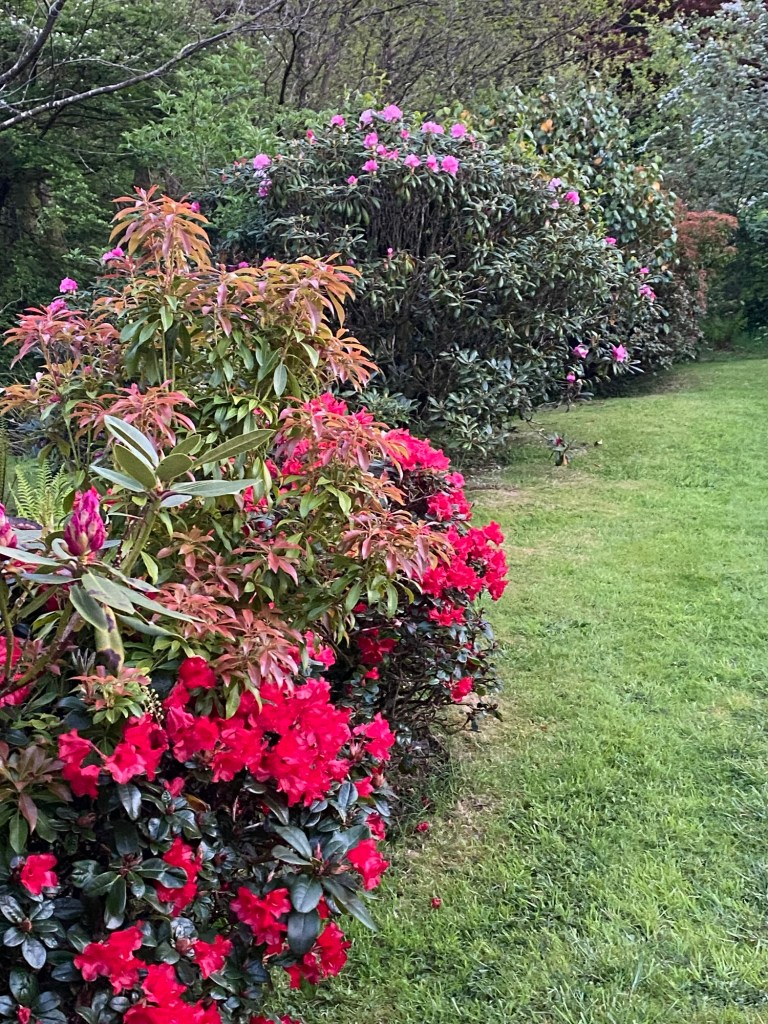
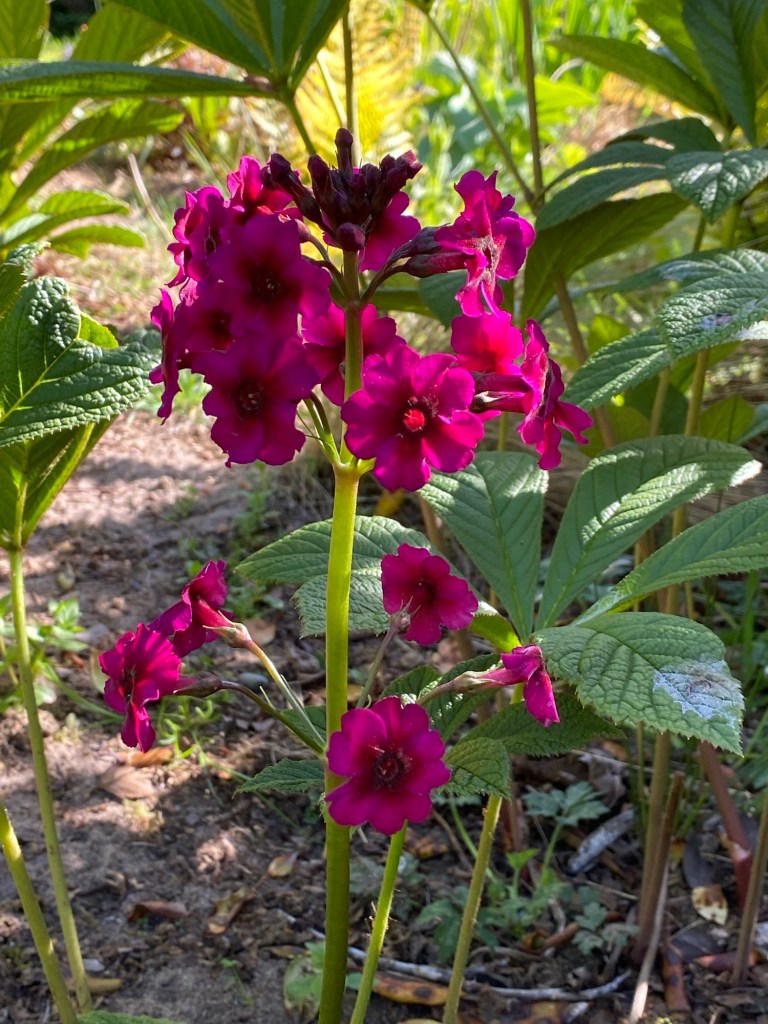
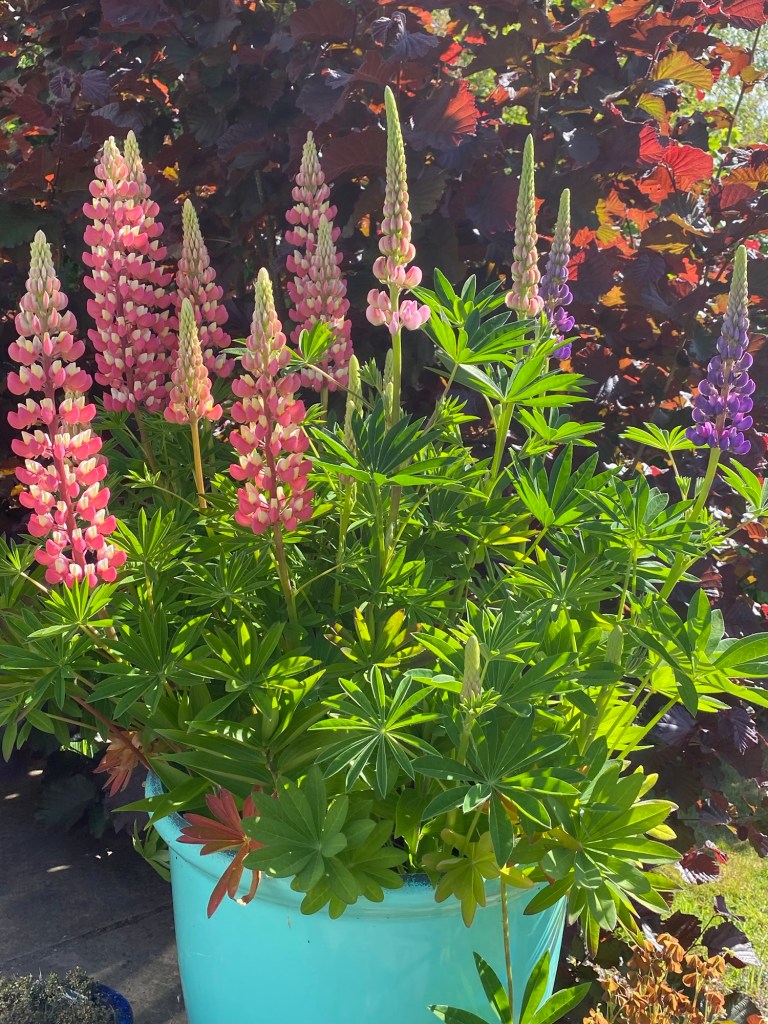
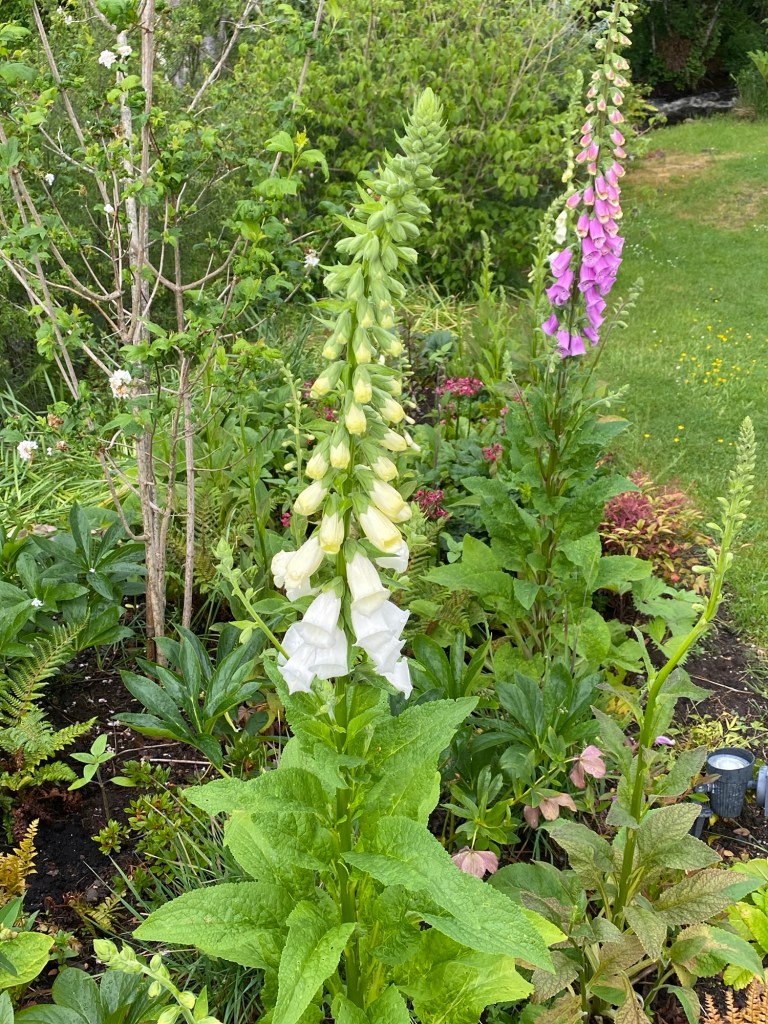
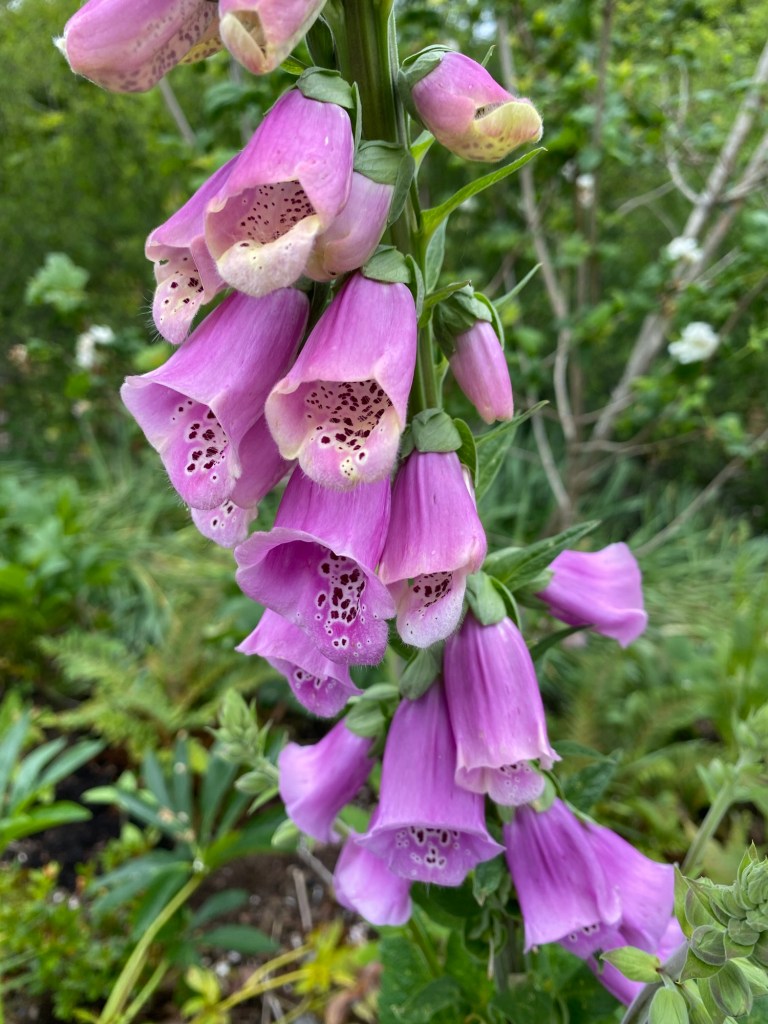
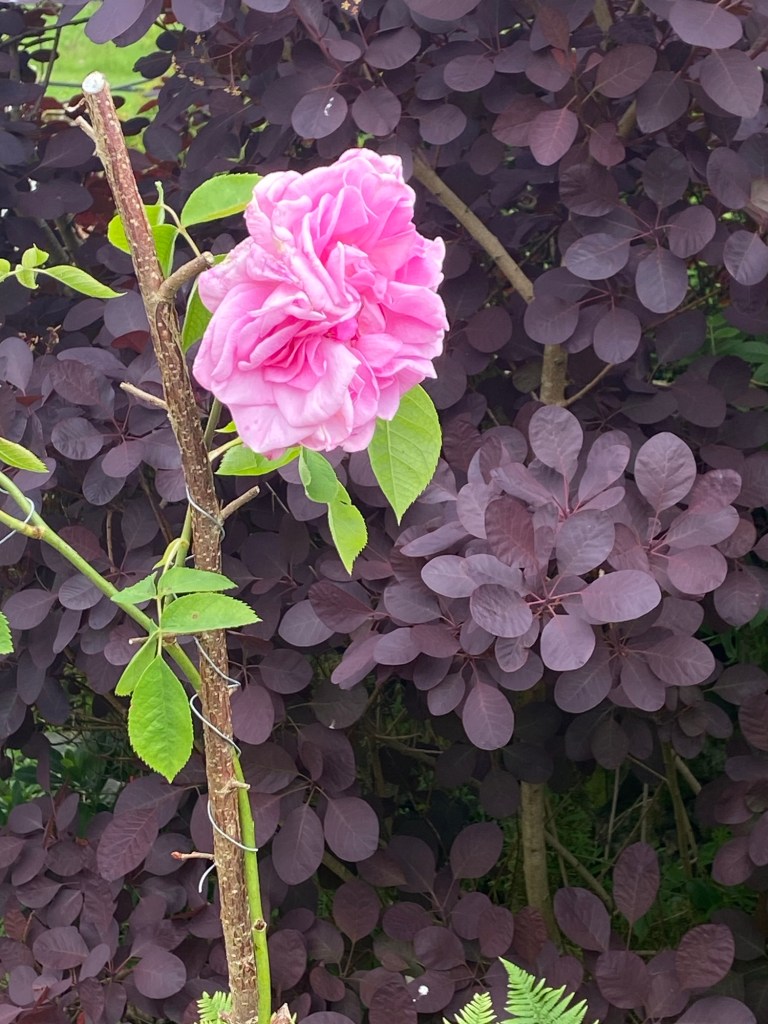
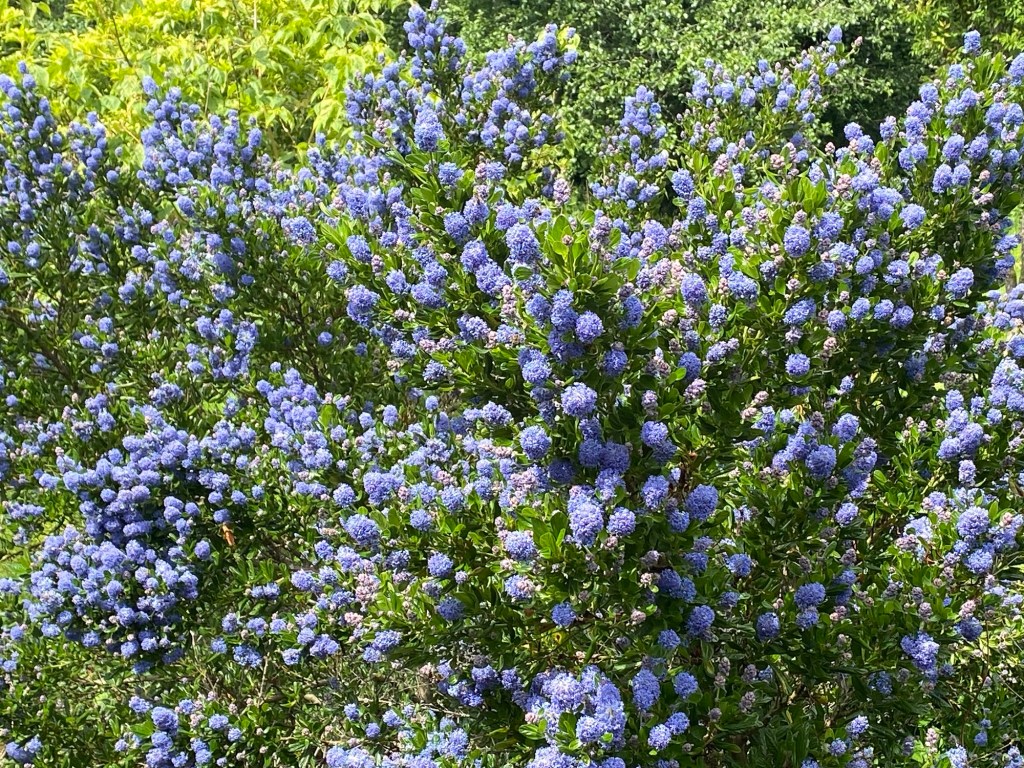
Outside the greenhouse, and around the borders, beds, trees and shrubs of the Dumfriesshire Garden, some very good things happened this May. Azaleas, Lupins, Solomon’s Seal, Euphorbias, Clematis, Camassias, Foxgloves, Ceanothus and Primulas all did well in a simultaneous rush of energy. I particularly enjoyed the soft pink of the Gertrude Jeykll rose contrasted against the deep copper of the Cotinus
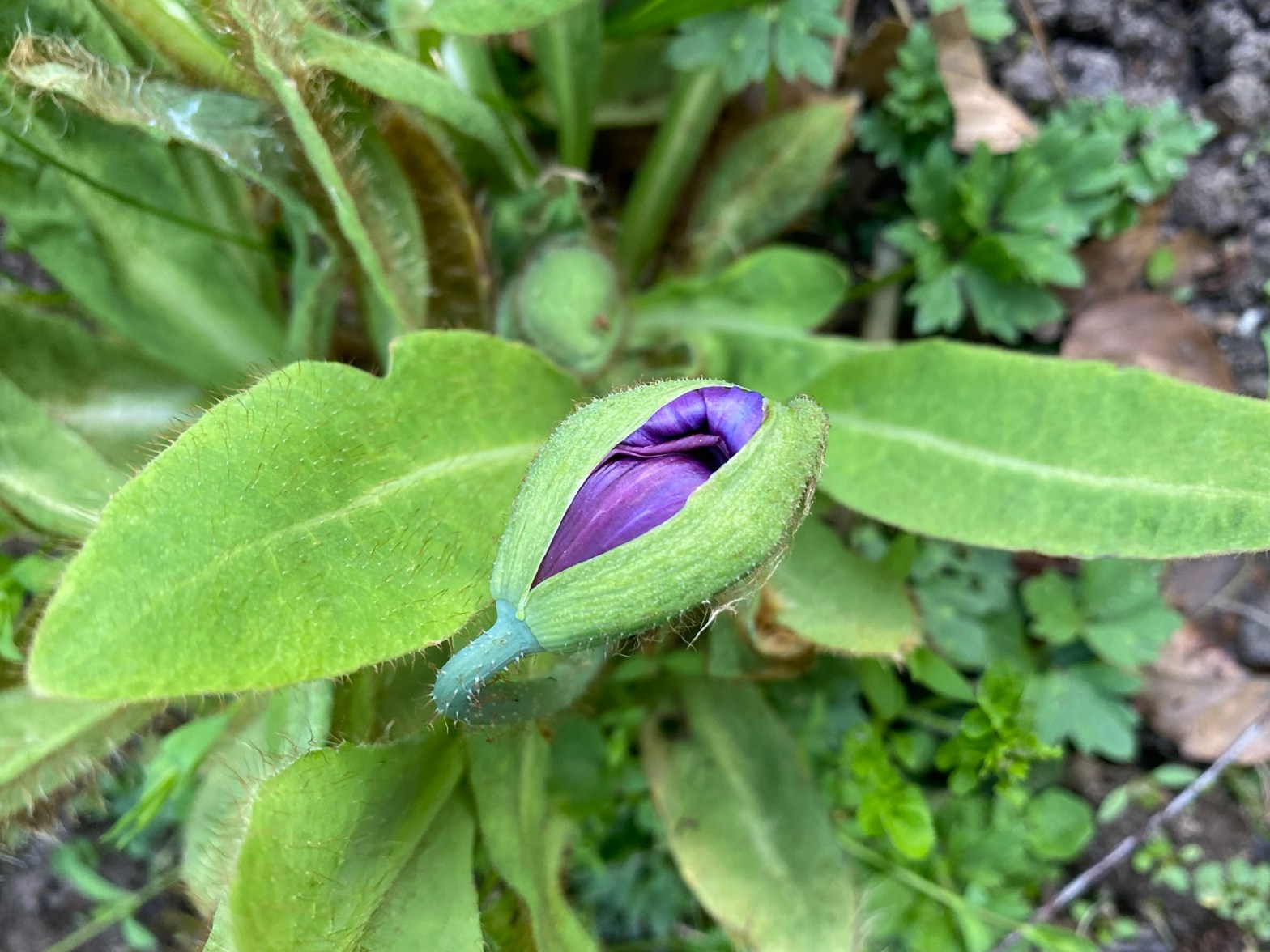
Best of all however was the joy of seeing Meconopsis grown from garden-collected seed, bursting into bloom. Deep blue on opening, then fading to a paler hue to complement the yellow stamens, they are a wonderful, if short-lived, pleasure that somehow captures all the rewards of gardening. Meconopsis is the national flower of Bhutan, where it signifies the pursuit of happiness and environmental respect. Two excellent virtues to aspire to in the garden, even in a May full of horticultural and climatological contradictions.
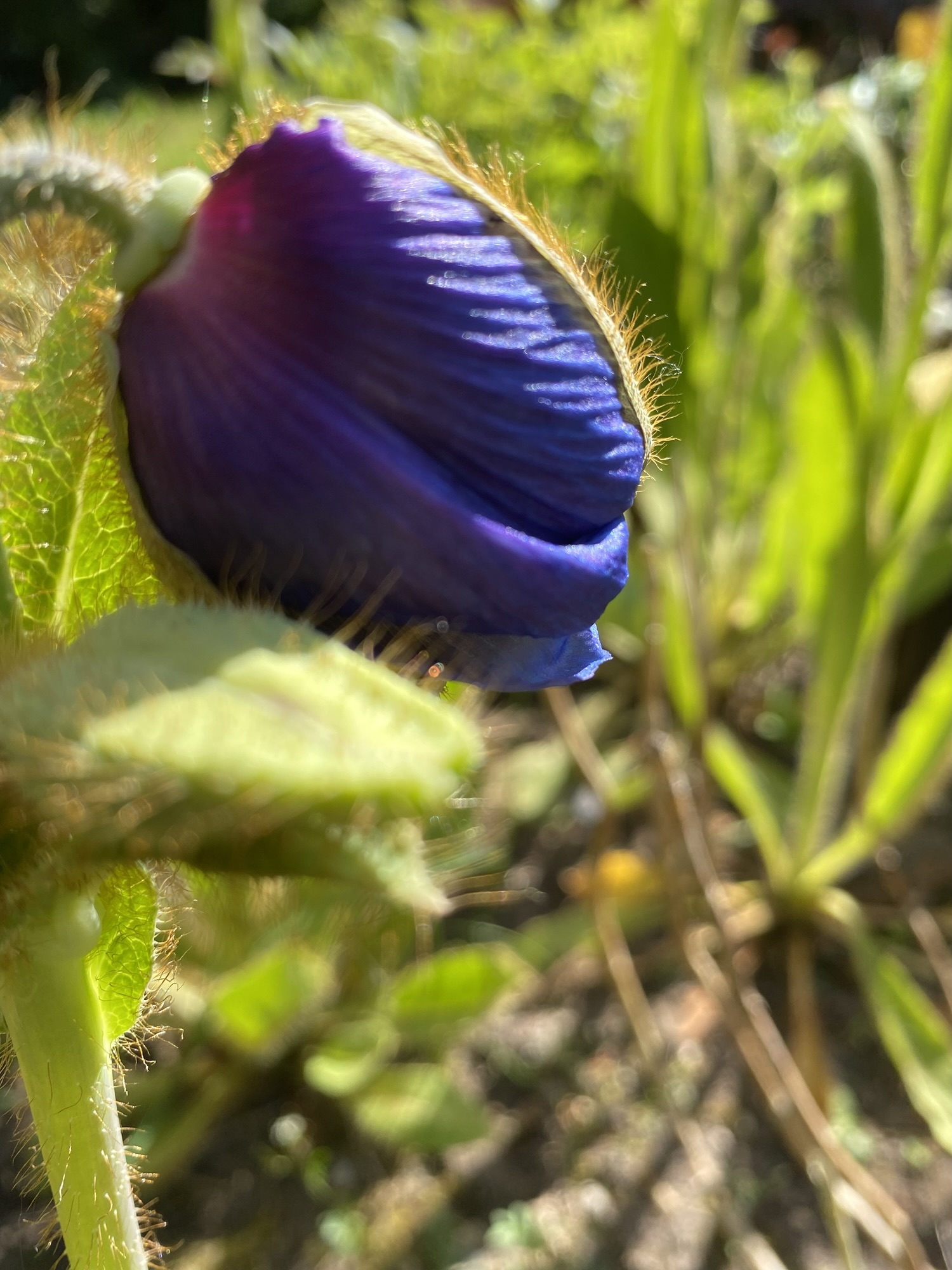

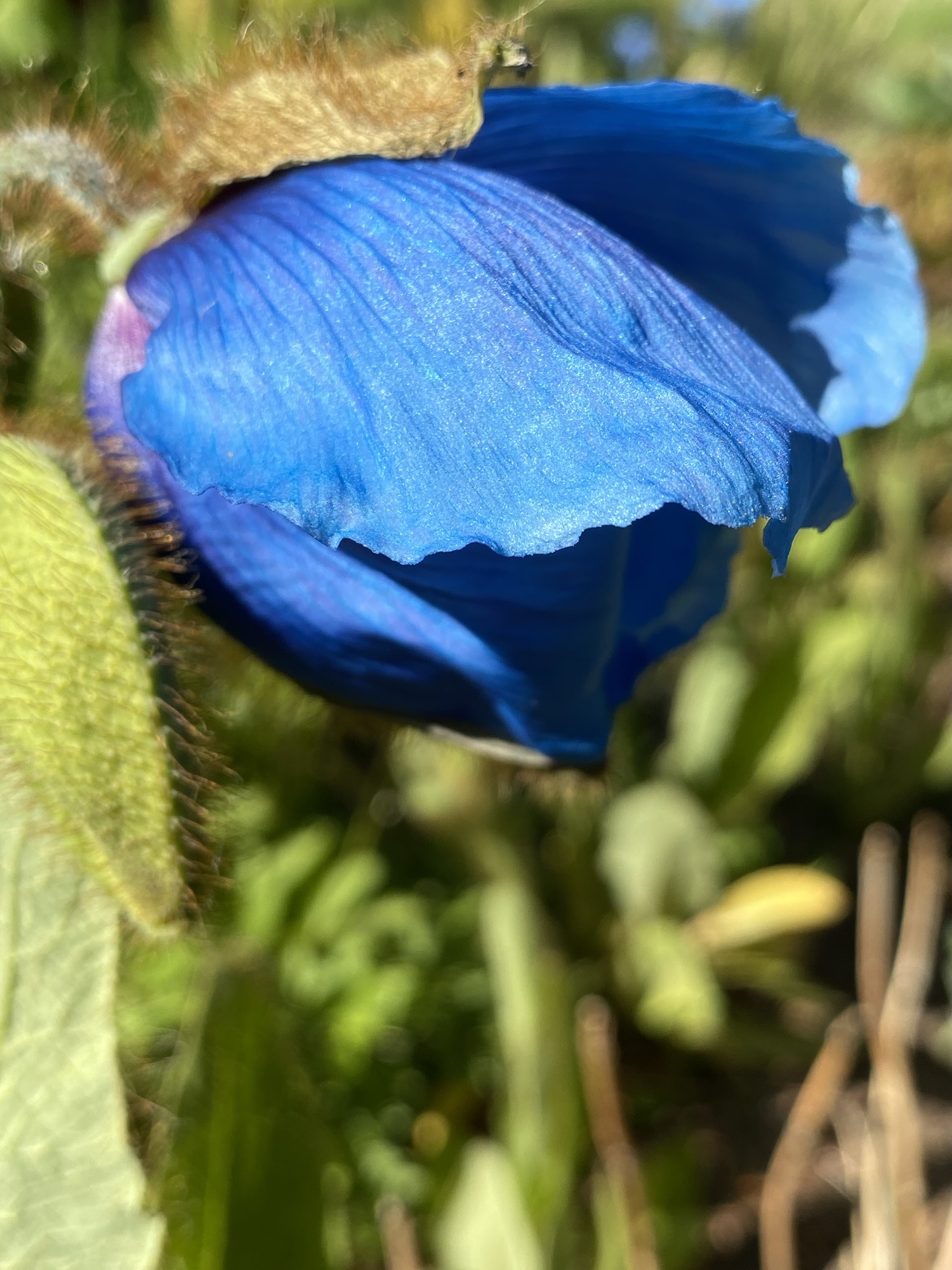
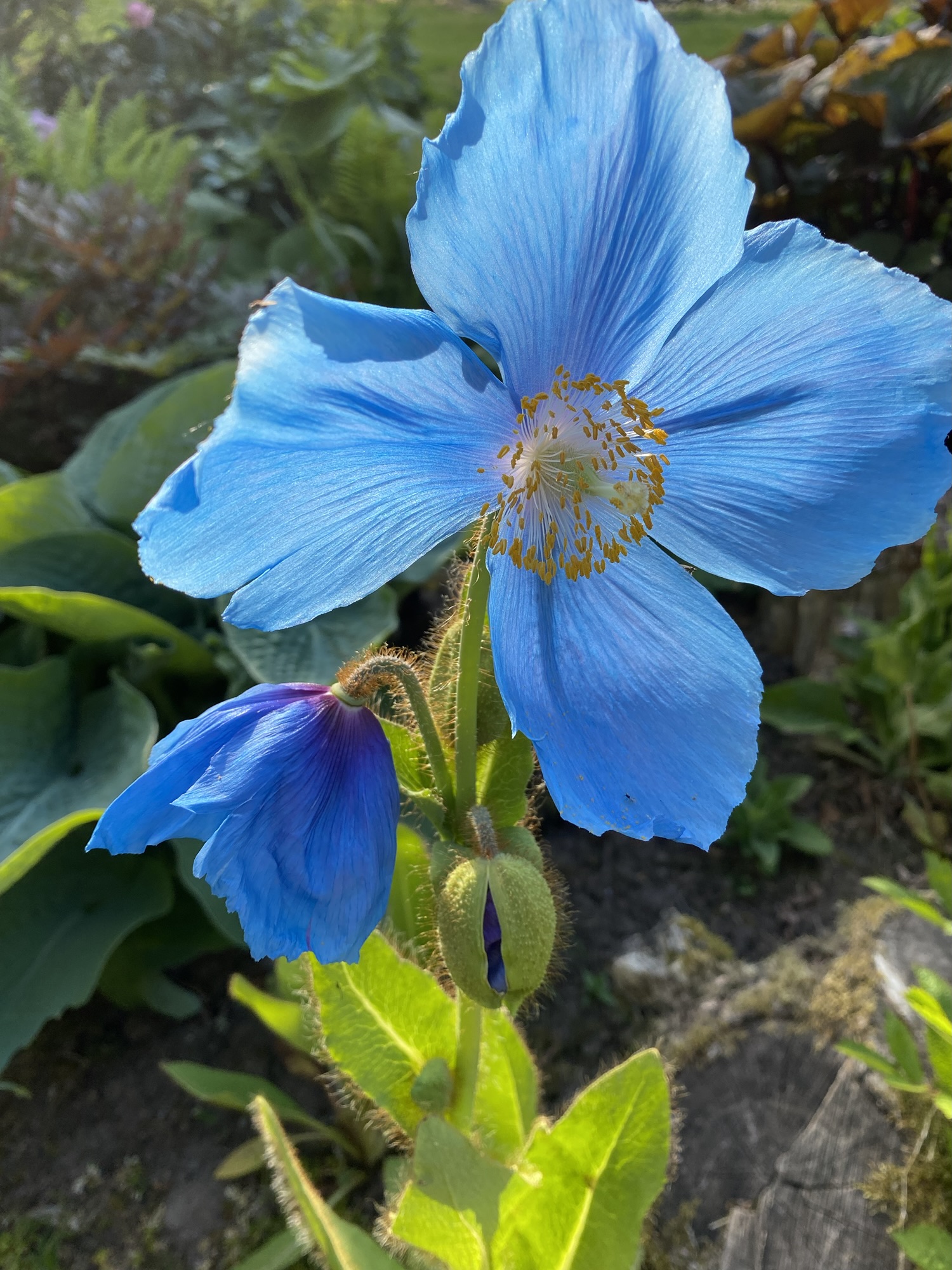
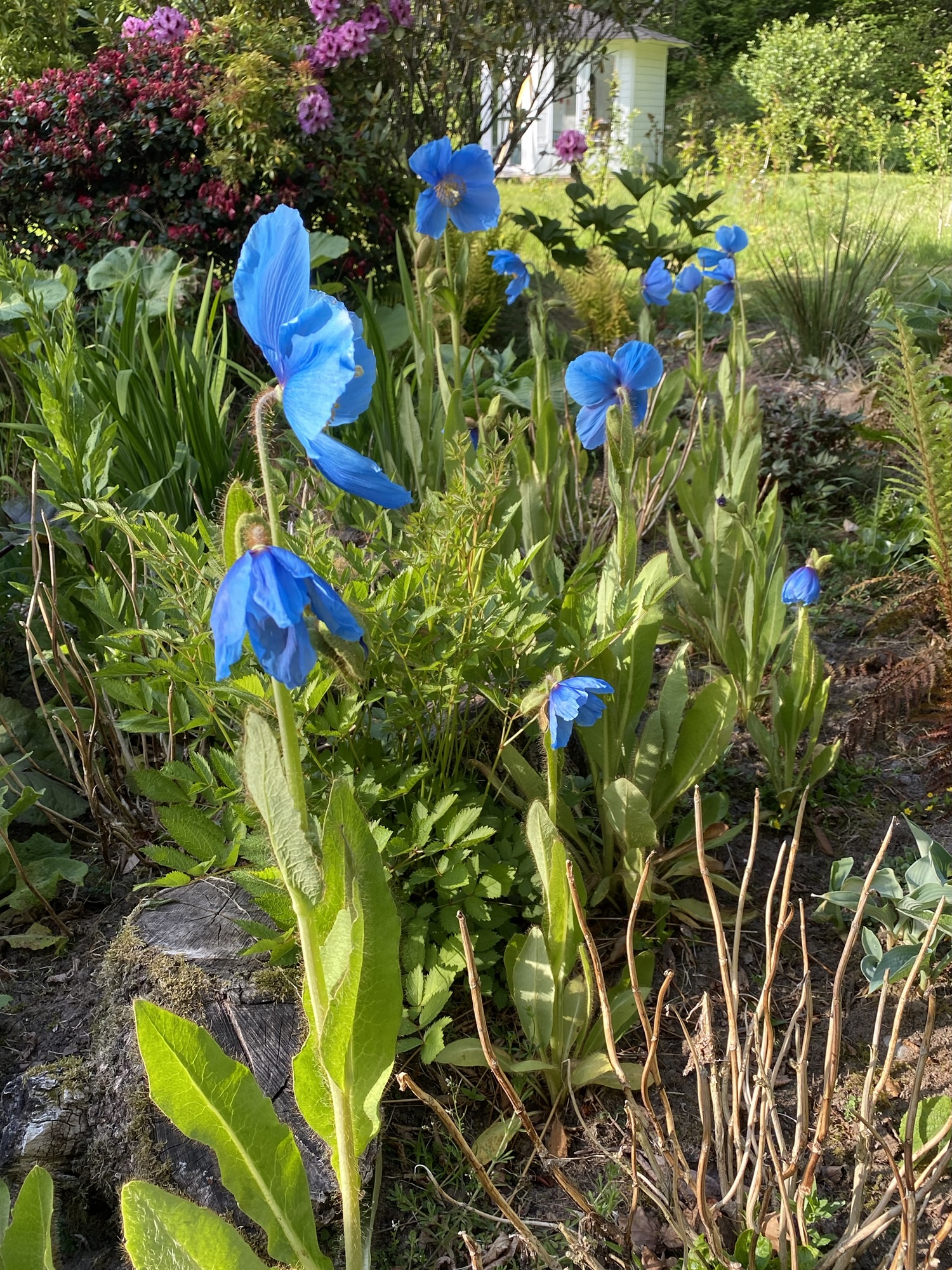
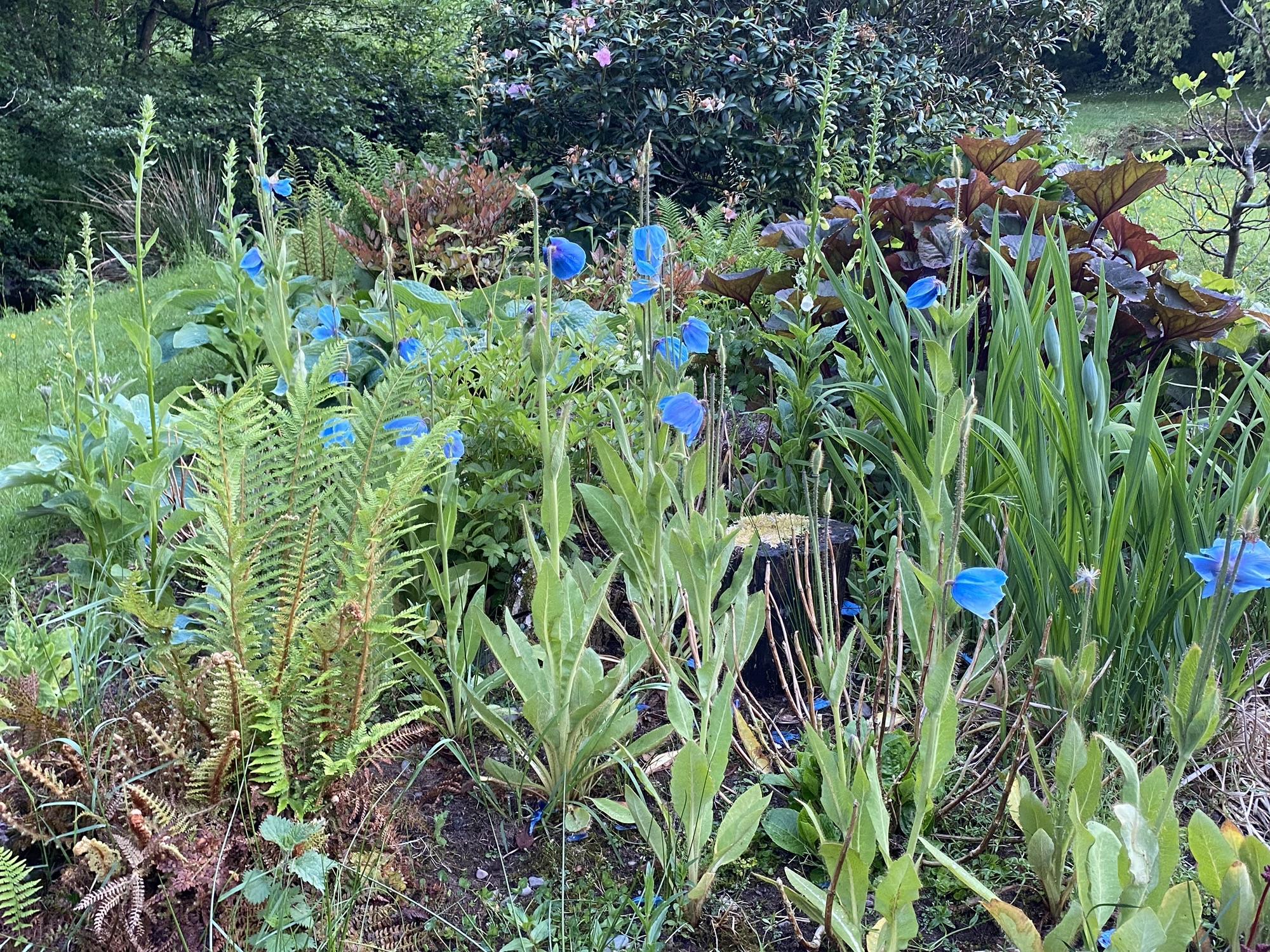


Blue is the most beautiful color in a garden, in my opinion. And not common enough. Your Ceanothus, Meconopsis, and the Camassia are stunning! Blues, purples of any shade – so very beautiful!
LikeLike